Kona Peaberry Coffee: What It Is, Rarity, Taste, Buying
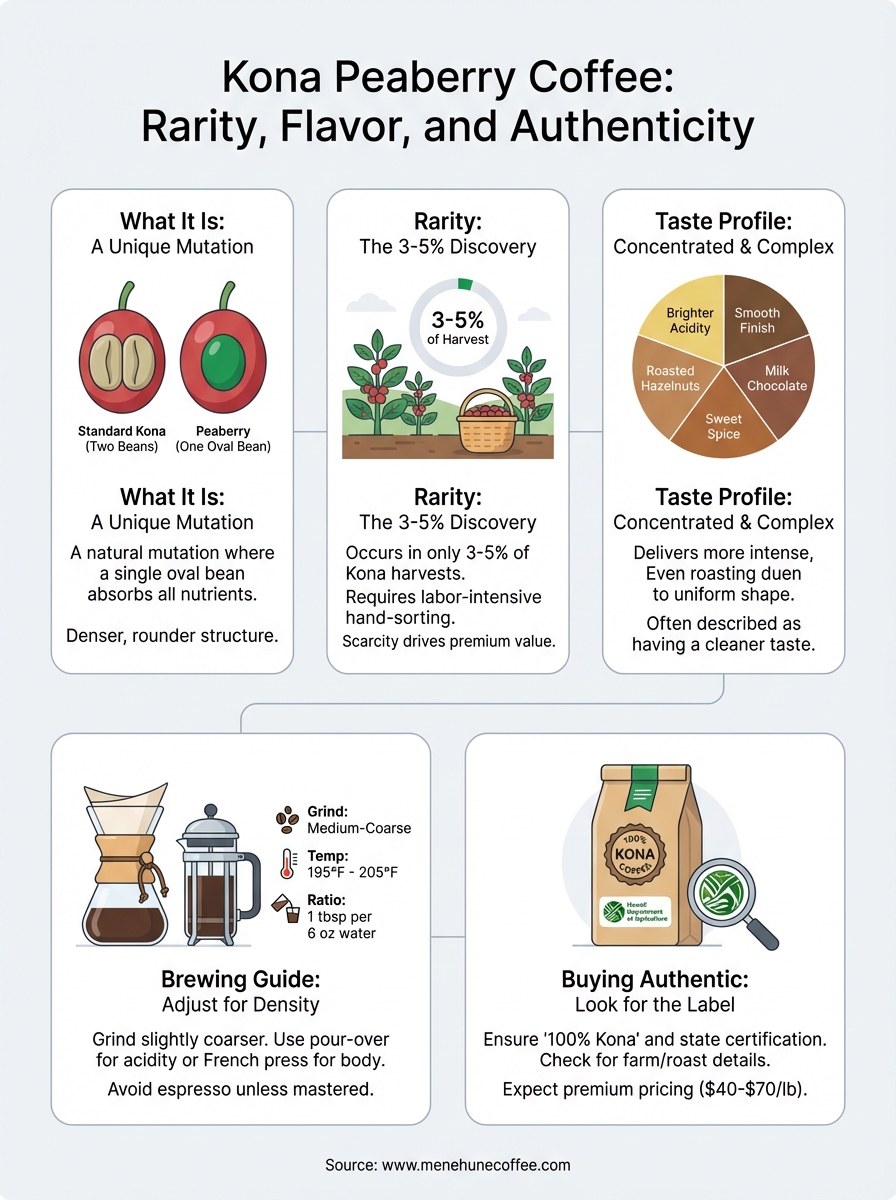
Kona peaberry coffee is a rare mutation where a single oval bean grows inside the coffee cherry instead of the usual two flat-sided beans. This happens in about 3 to 5 percent of all Kona coffee harvests. The beans are smaller, rounder, and denser than regular coffee beans. Because they get all the nutrients that would normally split between two beans, peaberries often develop more concentrated flavors and a unique taste profile. Coffee lovers consider them a premium find.
This article covers everything you need to know about Kona peaberry coffee. You’ll learn why these beans stand out from regular Kona coffee, how to brew them properly at home, and what flavors to expect in your cup. We’ll also walk you through the rarity factor, compare peaberry to standard Kona grades, and give you practical tips for choosing and buying authentic Kona peaberry. By the end, you’ll know exactly what makes this coffee special and whether it’s worth adding to your rotation.
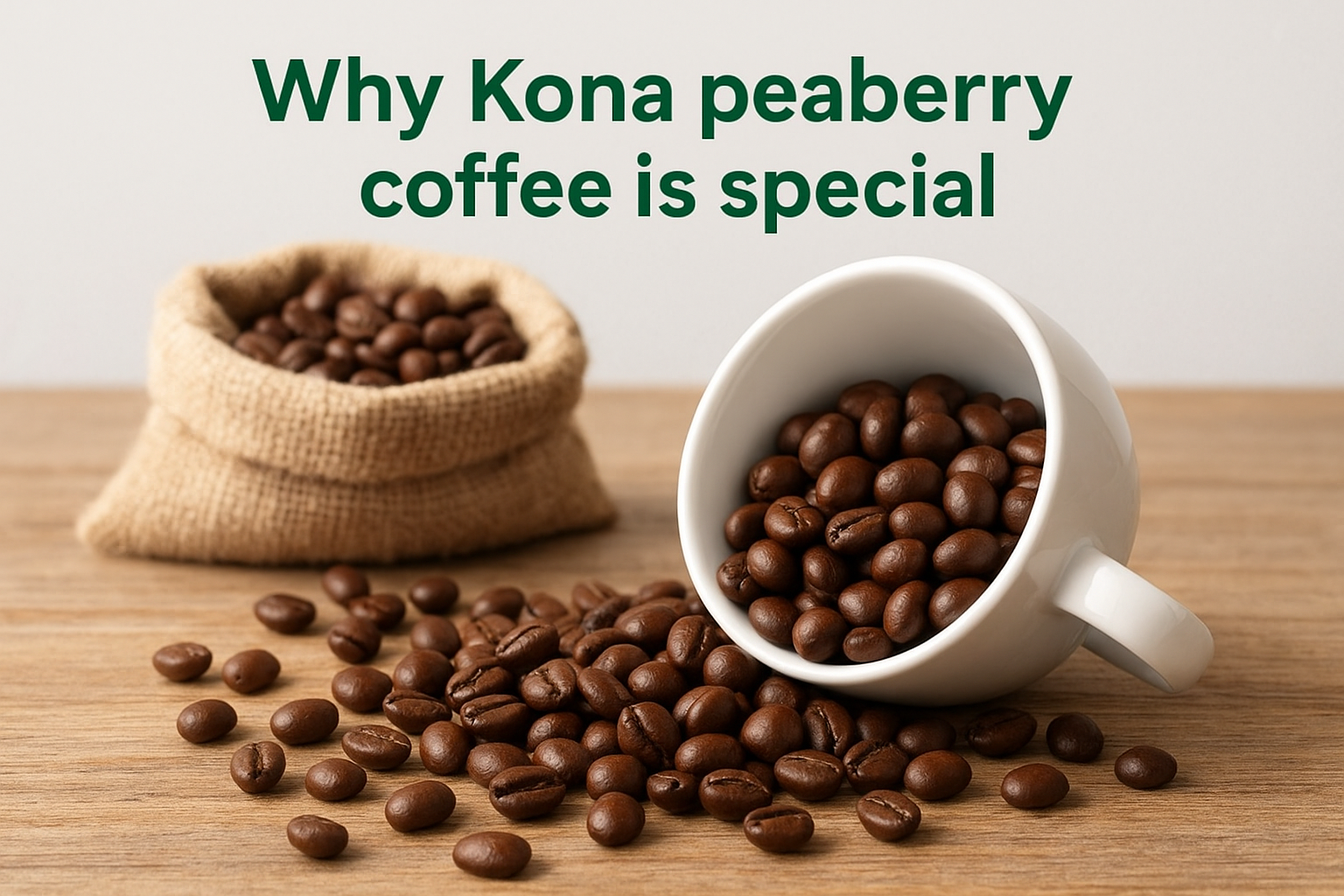
Why Kona peaberry coffee is special
The natural mutation that creates peaberries gives you a bean that’s fundamentally different from standard coffee. When you ask what is kona peaberry coffee and why it matters, the answer lies in how the single bean absorbs all the nutrients meant for two. This concentration creates a denser structure that roasts more evenly than regular beans. You get a cleaner taste because the rounded shape produces fewer broken pieces during processing. The scarcity also matters. Farms carefully hand-sort their harvest to separate these rare beans, which adds extra labor and attention to the process.
The concentrated flavor advantage
Peaberry beans deliver more intense flavor notes than their flat-sided counterparts from the same harvest. You’ll notice brighter acidity and a complexity that coffee experts compare to fine wine. The uniform shape means heat distributes evenly during roasting, which eliminates the inconsistencies you sometimes find in regular coffee batches.
Density can sometimes equate to more flavors and complexity in the cup.
Roasters prize these beans because they require precise technique to unlock their full potential. Your investment in peaberry coffee reflects both the rarity and the skilled craftsmanship needed to bring out its best qualities.
How to brew Kona peaberry coffee at home
The density and uniform shape of peaberry beans require adjustments to your standard brewing approach. You need to grind slightly coarser than you would for regular coffee because the dense beans create more fine particles that can over-extract and turn bitter. Start with water between 195°F and 205°F to pull out the full flavor spectrum without burning the delicate notes. Your coffee-to-water ratio matters too. Use one tablespoon of ground coffee per six ounces of water as your baseline, then adjust based on taste.
Grind size and water temperature
Set your grinder to a medium-coarse setting to account for how peaberry beans break down during grinding. The extra fines you’ll get from the dense structure mean you should go coarser than normal to prevent clogging filters or creating muddy flavors. Water temperature stays consistent with other premium coffees at around 200°F, but don’t let it drop below 195°F or you’ll miss the complex flavor compounds that make peaberry special.
The increased density of the beans can impact your brew, so we suggest grinding a little coarser as the beans, when grinding, can produce more fines.
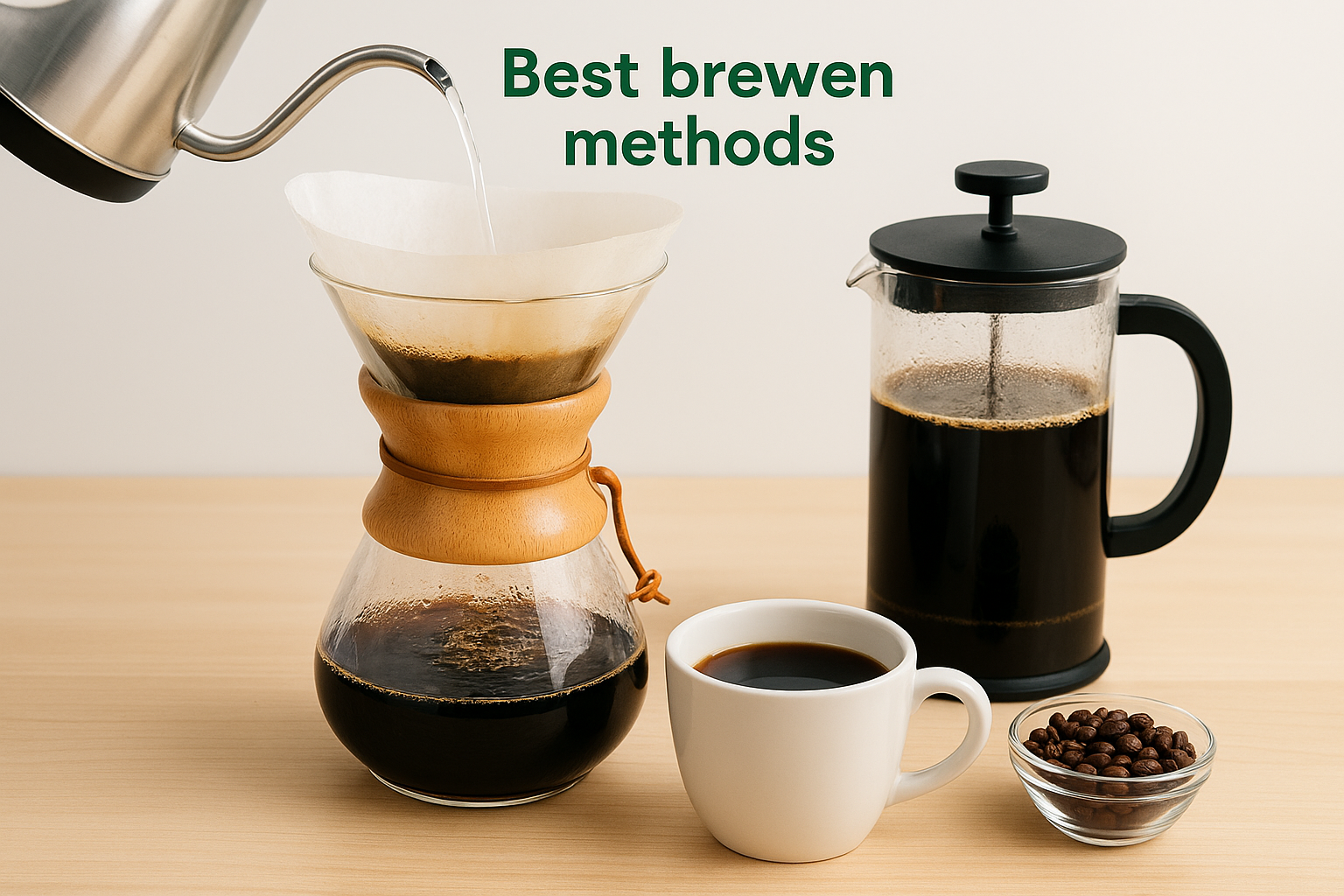
Best brewing methods
Pour-over methods like Chemex work exceptionally well with Kona peaberry because they highlight the bright acidity and clean finish. French press brewing brings out body and sweetness if you prefer a fuller cup. Avoid espresso machines unless you’ve mastered the grind and tamp pressure, since the dense beans behave differently under high pressure.
Rarity, flavor profile, and caffeine level
When you understand what is kona peaberry coffee and examine its characteristics, you discover three defining factors that set it apart. The extreme scarcity drives up prices and creates demand among collectors. The flavor profile offers unique taste notes you won’t find in regular Kona beans. Caffeine content varies slightly from standard coffee due to the concentrated bean structure. Each element contributes to why coffee enthusiasts seek out peaberry despite the premium cost.
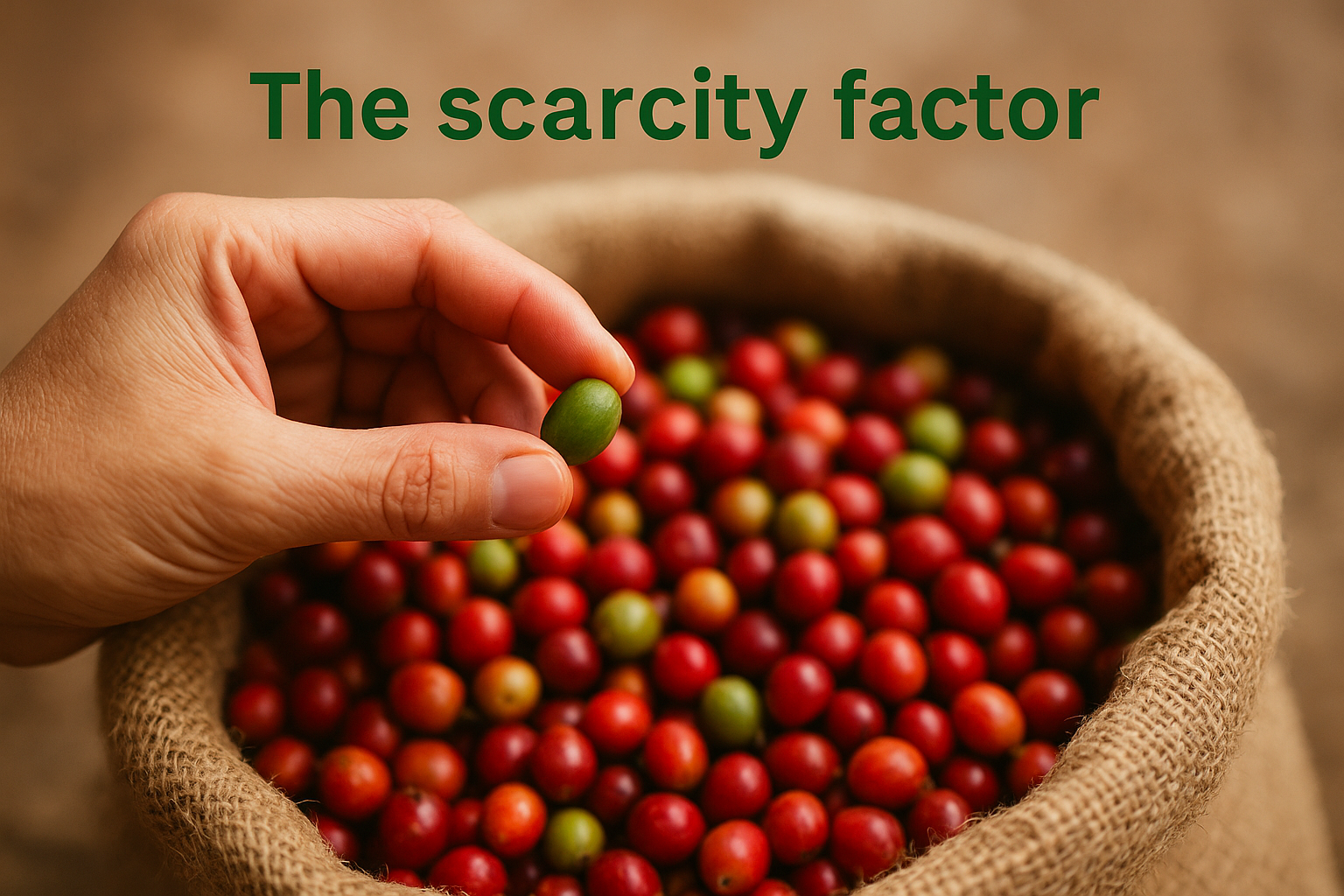
The scarcity factor
Only 3 to 5 percent of each Kona coffee harvest produces peaberry beans. Your chances of finding authentic peaberry shrink further because not all farms bother with the labor-intensive sorting required to separate these beans. Most growers produce less than 2,000 pounds of peaberry annually, which explains why you’ll pay significantly more per pound than for regular Kona coffee.
Flavor characteristics
You’ll taste milk chocolate, sweet spice, and roasted hazelnuts in most Kona peaberry coffees. The bright acidity hits first, followed by a smooth, clean finish that lingers without bitterness. These beans deliver more complexity than flat-bean Kona from the same harvest because the single seed absorbs concentrated nutrients.
Peaberry coffee is rare as a rule and oftentimes can taste a little more complex (especially Kona Peaberry).
Caffeine content
The density of peaberry beans means they pack slightly less caffeine per bean than regular coffee. Your cup will contain roughly the same caffeine as other Kona coffees when measured by weight, but the lower acidity makes the caffeine feel smoother. This difference comes from how the bean develops rather than from processing methods.
Kona peaberry vs other Kona coffee
The main difference lies in bean shape and size. Regular Kona coffee consists of two flat-sided beans per cherry, sorted into grades like Extra Fancy (screen sizes 18-19) or Fancy (screen sizes 17-18). Peaberry beans measure smaller at screen sizes 16-17 but deliver more concentrated flavors. When you compare what is kona peaberry coffee to standard Kona, you’ll notice the rounded peaberry has lighter body and brighter acidity, while regular Kona offers fuller body with mellower notes.
Taste and texture comparisons
Your regular Kona Extra Fancy gives you dark chocolate and raw honey flavors with a smooth, rich mouthfeel. Peaberry from the same harvest shifts toward milk chocolate, sweet spice, and roasted hazelnuts with sharper acidity and cleaner finish. The price jumps significantly for peaberry because of rarity, but that doesn’t mean it tastes objectively better.
A Kona Peaberry isn’t “naturally” better than the other graded Kona beans of any given harvest.
Your preference depends on whether you want bold smoothness or bright complexity in your cup.
How to choose and buy Kona peaberry coffee
The search for authentic Kona peaberry starts with reading labels carefully and checking for certification marks. You need to verify that the bag states “100% Kona Coffee” rather than a blend, since many products mix small amounts of Kona with cheaper beans from elsewhere. Authentic peaberry costs more than regular Kona because of its rarity, so expect to pay $40 to $70 per pound depending on the roaster and grade. Your best protection against fraud comes from buying directly from Hawaiian farms or established roasters with proven track records.

Verify authenticity and certification
Look for the Hawaii Department of Agriculture seal on packaging, which confirms the coffee meets state standards for Kona designation. You should also check if the roaster provides farm information, harvest dates, and roast dates on their labels. These details signal transparency and quality control. Avoid products with vague origin statements or suspiciously low prices, as they likely contain minimal actual Kona peaberry. Understanding what is kona peaberry coffee helps you spot legitimate products versus misleading marketing claims.
A Kona Peaberry isn’t “naturally” better than the other graded Kona beans of any given harvest, and requires careful harvesting, processing, and roasting.
Compare pricing and packaging options
Prices vary based on roast level, bag size, and processing method. Whole bean options preserve freshness longer than pre-ground coffee, giving you better flavor when you grind at home. Many roasters offer 8-ounce trial bags before you commit to larger quantities. Subscription services provide convenience but lock you into regular shipments, so start with a single bag to test if the flavor profile matches your preferences.
Enjoying Kona peaberry
Now you understand what is kona peaberry coffee and why collectors prize these rare beans. Your investment in authentic peaberry delivers concentrated flavors and bright complexity that standard coffee can’t match. The rarity makes each cup feel special, but the distinct taste profile justifies the premium price when you brew it correctly with care. Start with proper grinding techniques, precise water temperature, and proven brewing methods to unlock the full potential of your peaberry beans. Each morning becomes an opportunity to experience coffee crafted with Hawaiian tradition and expertise.
Your next step is finding a trusted source for authentic Kona peaberry. Hawaiian farms and roasters provide the most reliable options because they control quality from harvest through roasting. Explore premium Kona coffee options to experience the difference that careful sourcing and expert roasting make in your daily cup.