Microlot Coffee Meaning: What It Is and Why It Matters Most
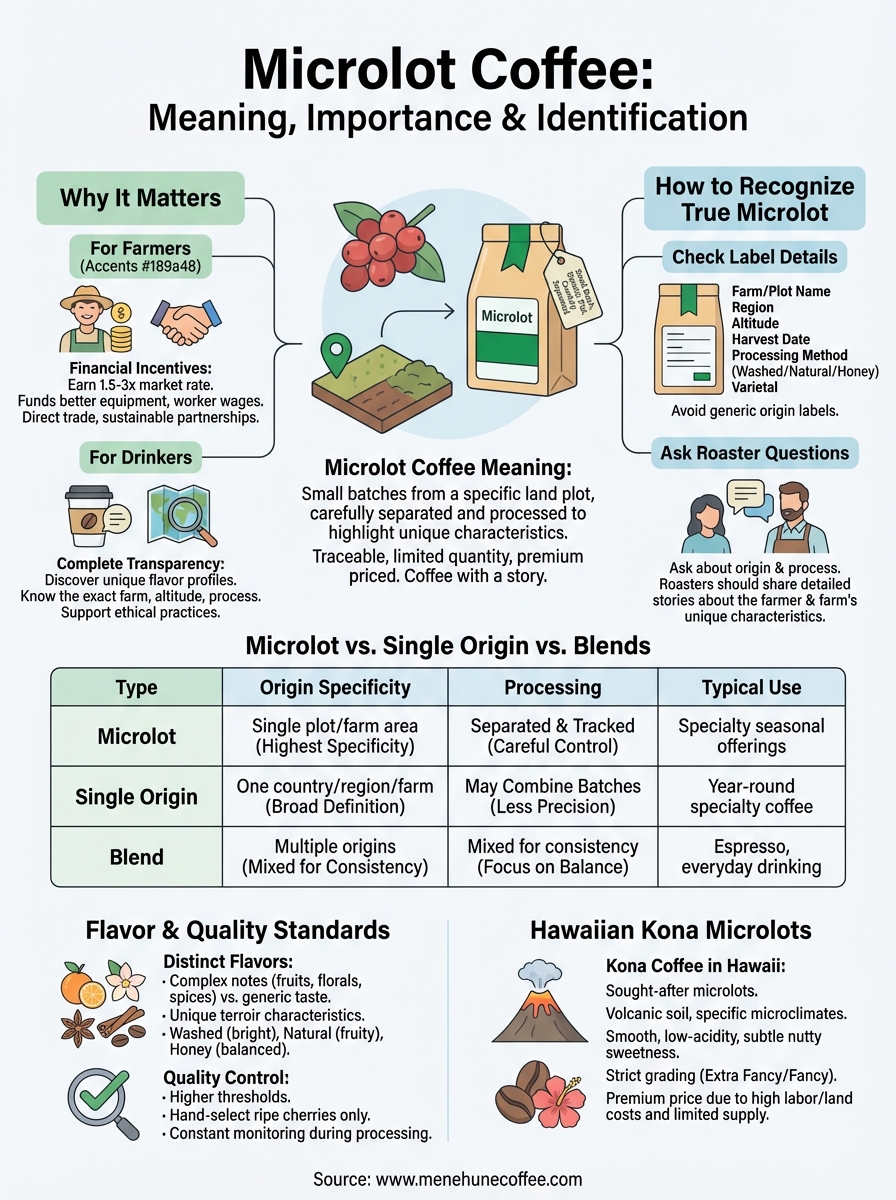
You see microlot coffee on a menu or bag and wonder what makes it different from your usual brew. The microlot coffee meaning is straightforward: it refers to small batches of coffee beans from a specific plot of land, carefully separated and processed to highlight unique characteristics. Think of it as the craft beer of coffee—traceable to exact origins, produced in limited quantities, and priced at a premium because of the extra care involved. Unlike mass-produced coffee that blends beans from multiple farms, microlots give you coffee with a story, a specific taste profile, and transparency about where your beans came from.
This guide breaks down everything you need to know about microlot coffee. You’ll learn why it matters to farmers and coffee drinkers, how to spot genuine microlots versus marketing hype, and what separates them from single origin and blended coffees. We’ll also cover flavor profiles, pricing, and how microlot production connects to Hawaii’s famous Kona coffee. By the end, you’ll know exactly what you’re paying for when you choose microlot beans.
Why microlot coffee matters
Understanding the microlot coffee meaning matters because it connects you directly to the farmers who grow your beans. Microlots represent a shift away from commodity coffee trading, where farmers receive standard market rates regardless of quality. When you buy microlot coffee, you support direct relationships between growers and roasters that reward excellence with higher prices. This system incentivizes farmers to invest more time in cultivation, harvesting, and processing, which improves coffee quality across the industry. The traceability also holds producers accountable for sustainable farming practices and ethical labor conditions.
For coffee farmers
Microlots give farmers financial incentives to produce exceptional coffee. Instead of mixing high-quality beans with average ones for bulk sale, farmers can isolate their best crops and earn 1.5 to 3 times the market rate. This extra income funds better equipment, worker wages, and farm improvements. The direct feedback from buyers also helps farmers refine their methods for future harvests.
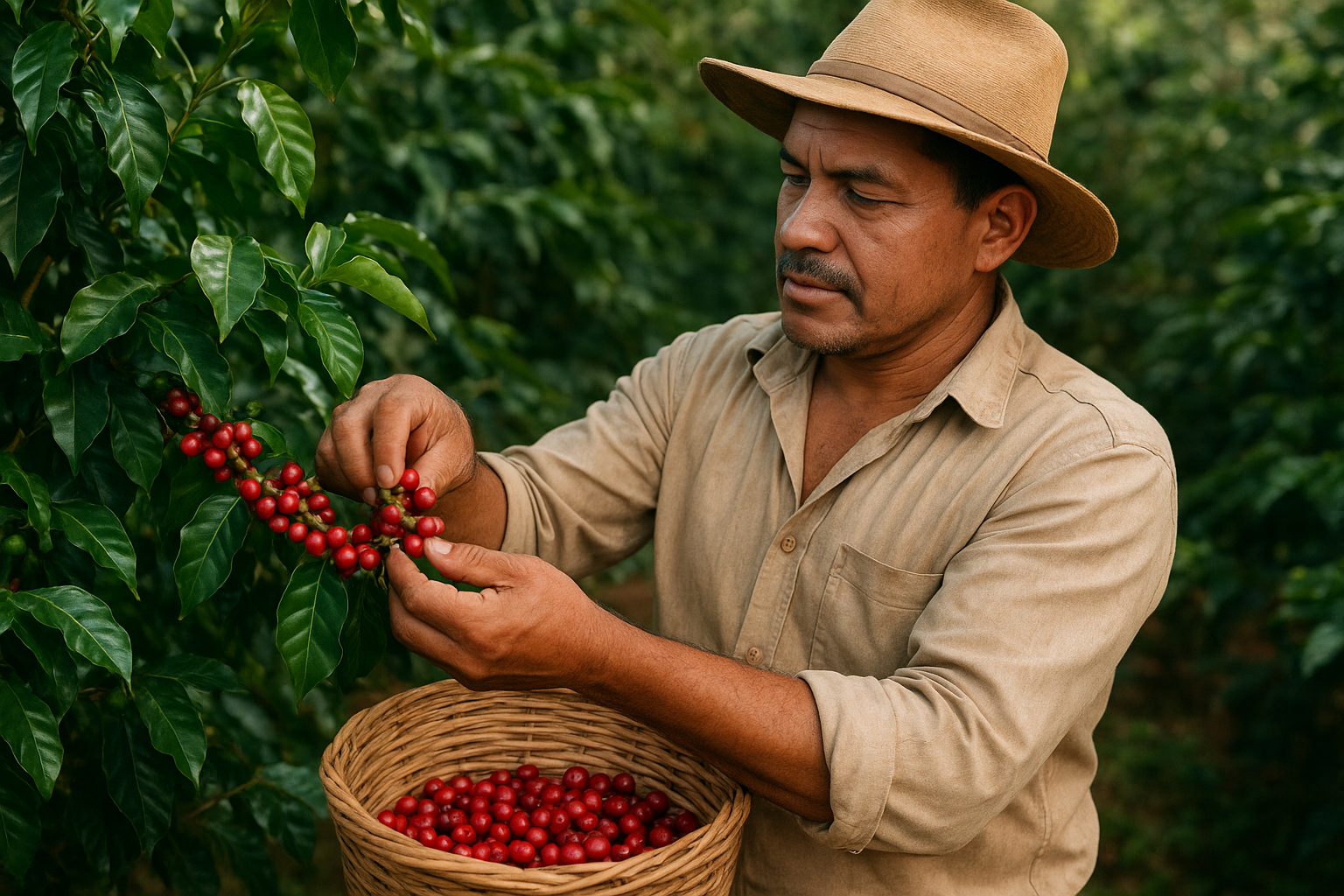
Microlot production creates sustainable partnerships that benefit farming communities beyond a single transaction.
For coffee drinkers
You get complete transparency about your coffee’s origins when you choose microlots. Every bag tells you the specific farm, altitude, processing method, and harvest details that shaped the flavor. This level of detail helps you discover flavor profiles you genuinely enjoy rather than guessing with generic labels. You also taste the difference that dedicated farming and processing creates in your cup.
How to recognize true microlot coffee
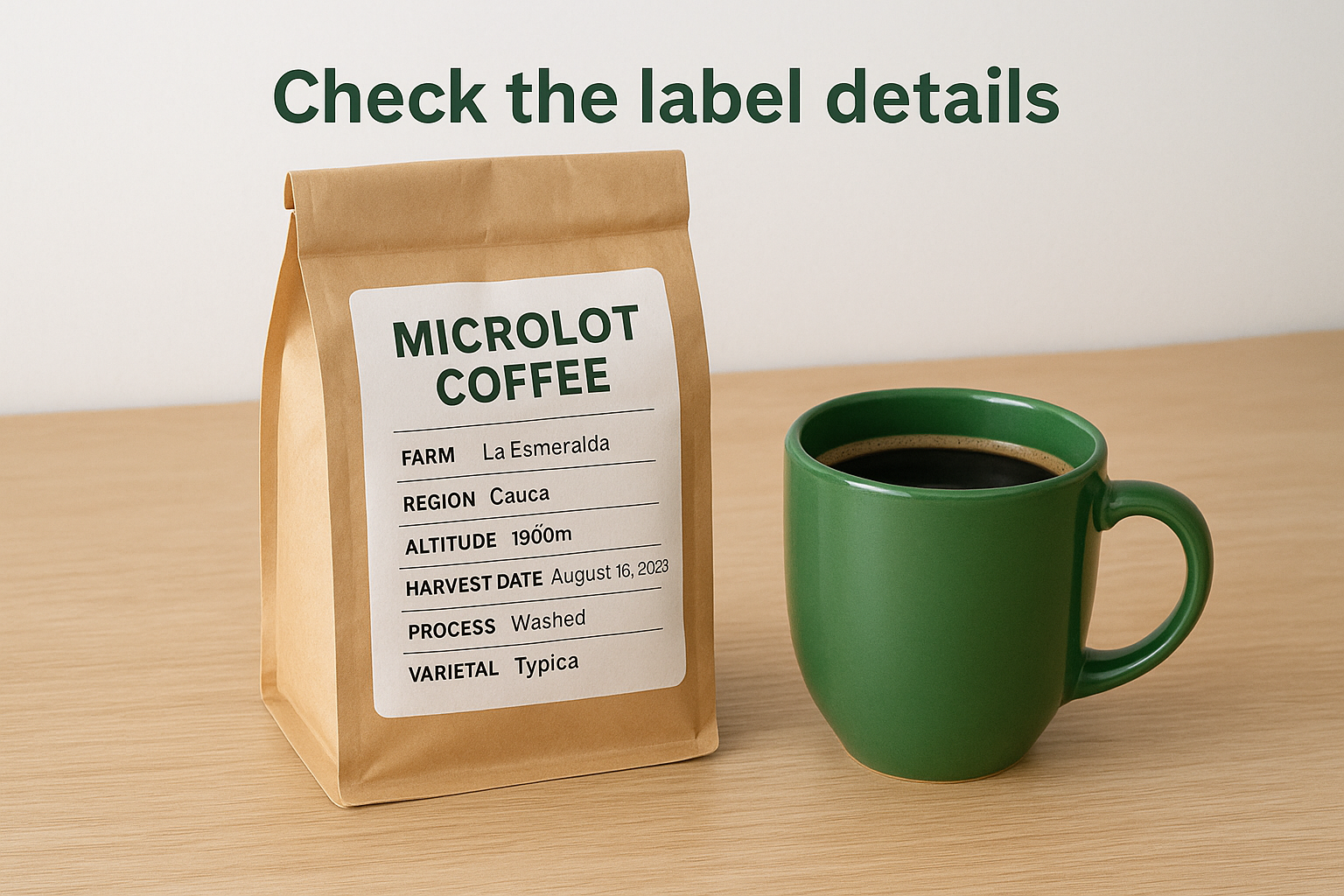
The microlot coffee meaning gets diluted when sellers use the term loosely for marketing. You need to check for specific details about origin and production to separate genuine microlots from standard single-origin coffee rebranded with premium labels. Real microlots include information about the exact farm or plot location, harvest date, processing method, and often the farmer’s name. If a bag simply says “microlot” without these specifics, the seller might use the term to justify higher prices without delivering authentic microlot quality.
Check the label details
Your coffee bag should list the farm name, region, altitude, and harvest date at minimum. Genuine microlots often include processing method details like washed, natural, or honey-processed, along with the specific coffee varietal. Some roasters provide lot numbers that trace back to exact processing batches. Labels that only mention a country or large region suggest bulk coffee rather than carefully separated microlots.
Ask your roaster questions
Direct questions reveal how much the roaster knows about their coffee. Ask where the beans came from and how they were processed. Roasters who work with true microlots can tell you about the farmer, the farm’s unique characteristics, and why they selected that specific lot. They should explain what makes the coffee special beyond generic quality claims.
Roasters invested in microlot relationships share detailed stories about their coffee sources without hesitation.
Verify the price matches the claims
Expect to pay premium prices for legitimate microlot coffee because farmers receive higher compensation for their specialized work. Coffee priced at commodity levels likely comes from standard production methods, regardless of microlot labeling.
Microlot coffee vs single origin vs blends
The microlot coffee meaning becomes clearer when you compare it to single origin and blended coffees. These three categories represent different approaches to sourcing and combining beans, each with distinct traceability levels and flavor consistency. Understanding these differences helps you choose coffee that matches your preferences and values.
Single origin coffee explained
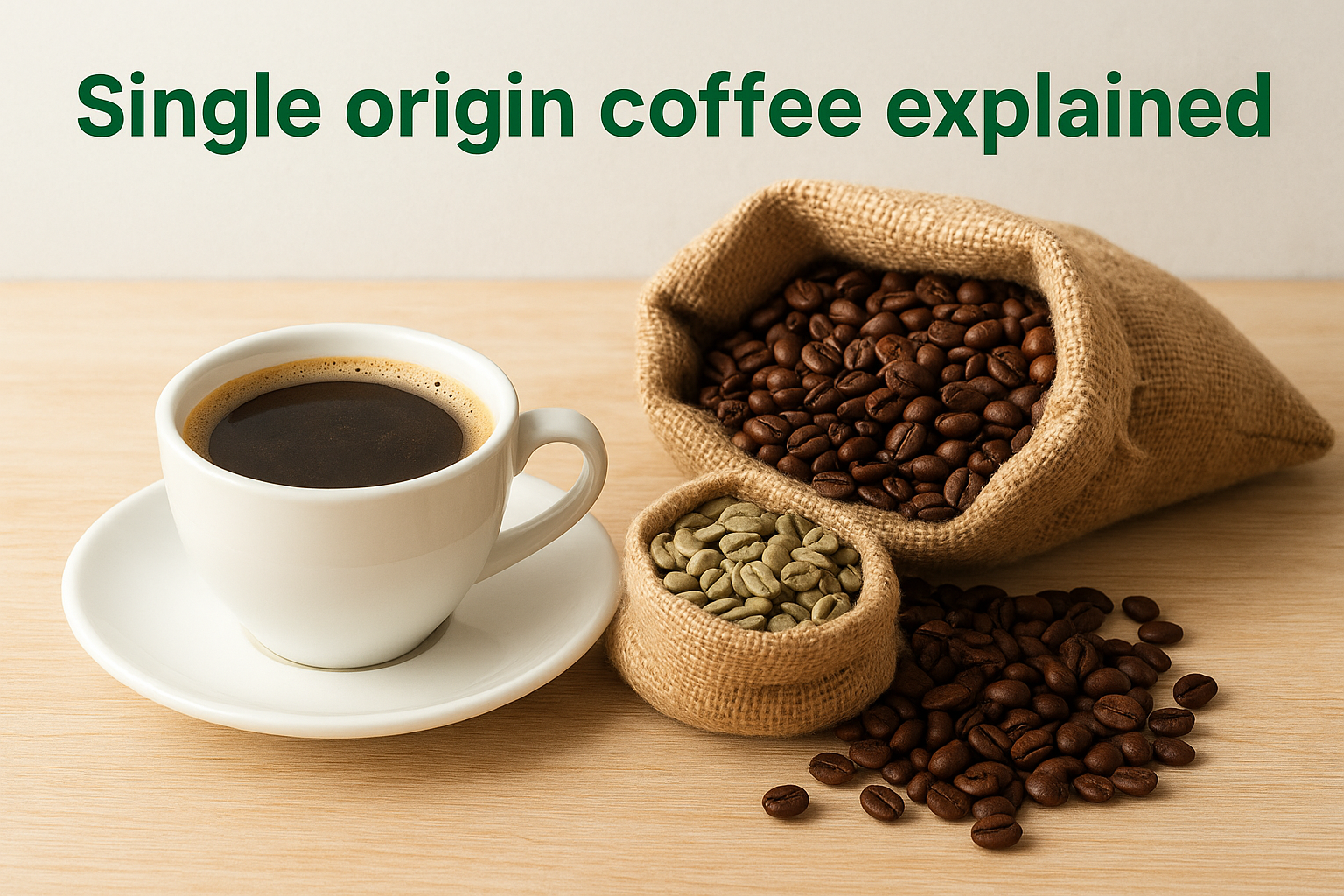
Single origin coffee comes from one country, region, or sometimes a single farm. The definition varies widely, which means single origin beans could blend multiple harvests from different plots or processing methods within that area. You get less specificity than microlots but more traceability than blends. Single origin coffees showcase regional characteristics without the precision of microlot separation.
Blended coffee explained
Blends combine beans from multiple origins to create consistent flavor profiles. Roasters mix different coffees to balance acidity, body, and sweetness in ways that single sources cannot achieve alone. Quality blends use carefully selected beans, while commodity blends focus on cost reduction rather than taste.
Key differences at a glance
| Type | Origin Specificity | Processing | Typical Use |
|---|---|---|---|
| Microlot | Single plot/farm area | Separated and tracked | Specialty seasonal offerings |
| Single Origin | One country/region/farm | May combine batches | Year-round specialty coffee |
| Blend | Multiple origins | Mixed for consistency | Espresso and everyday drinking |
Microlots offer the highest traceability, single origins balance uniqueness with availability, and blends prioritize consistency over origin transparency.
Flavor, quality, and price of microlot coffee
Microlot coffee delivers distinct flavor experiences that mass-produced coffee cannot replicate. The careful separation and processing of small batches allows unique terroir characteristics to shine through in your cup. You taste the specific combination of soil composition, altitude, climate, and processing method that defines that exact plot of land. This precision means microlots often showcase complex flavor notes like specific fruits, florals, or spices rather than generic “smooth” or “bold” descriptions found on commodity coffee bags.
Flavor profiles you can expect
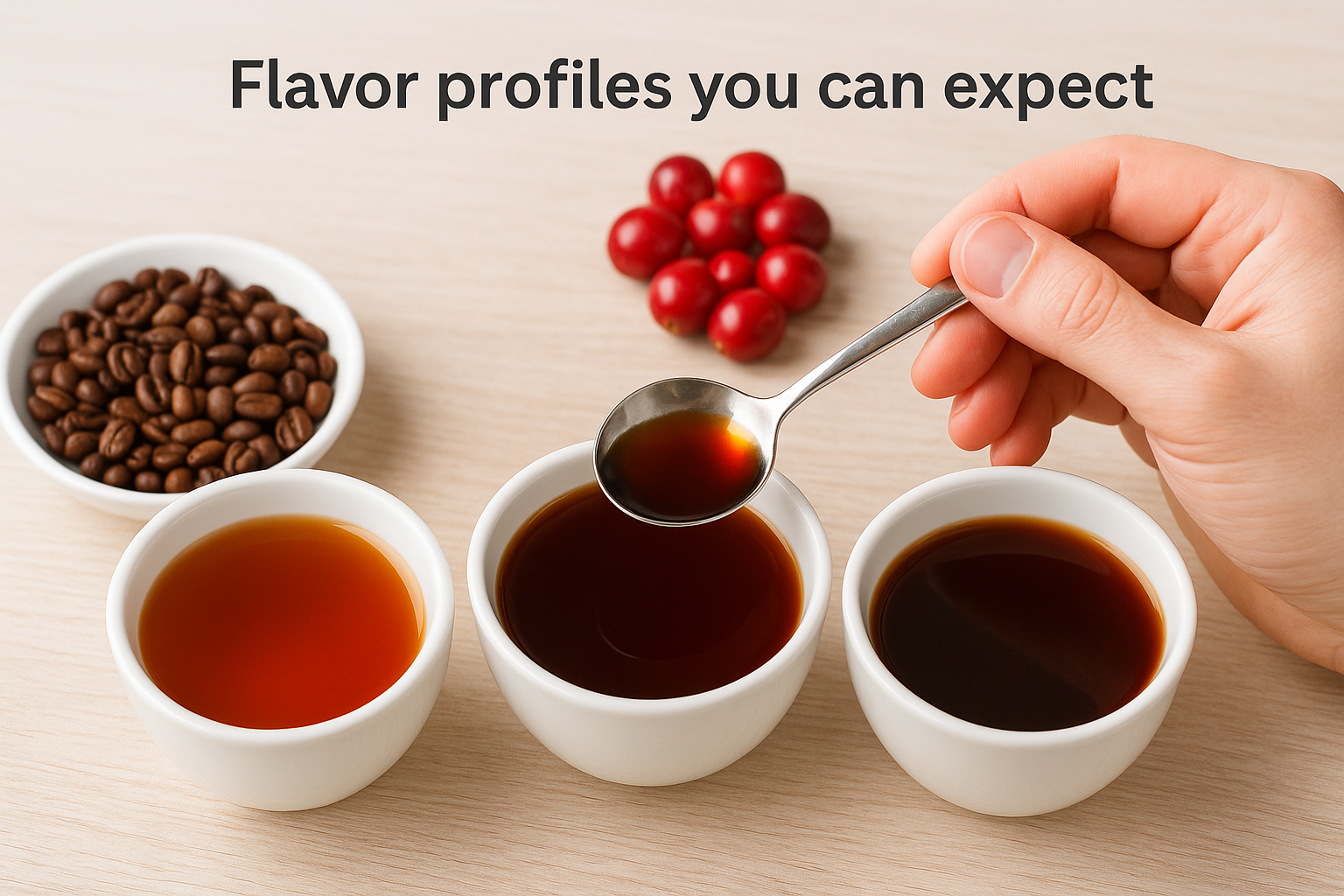
Your microlot coffee will express clear, identifiable flavors based on its origin and processing. Washed microlots typically deliver clean, bright acidity with tea-like clarity, while natural-processed beans bring fruit-forward sweetness and heavier body. Honey-processed microlots often split the difference with balanced sweetness and moderate acidity. The specificity of microlot production means these flavor notes remain consistent within a single lot, giving you a reliable taste experience from bag to bag.
Quality standards and control
Microlot production demands higher quality thresholds than standard coffee farming. Farmers hand-select only ripe cherries at peak maturity, removing defective or under-ripe beans that would compromise flavor. Processing happens in controlled batches with constant monitoring to prevent fermentation issues or contamination. This attention to detail results in cleaner cups with fewer defects.
The microlot coffee meaning extends beyond small quantities to include rigorous quality control at every production stage.
Understanding the price premium
Expect to pay $18 to $35 per 12-ounce bag for genuine microlot coffee, compared to $12 to $18 for quality single-origin beans. This premium compensates farmers for extra labor in selective harvesting and separate processing. You also pay for limited availability, as most microlots sell out within weeks or months of release.
Microlot coffee and Kona coffee in Hawaii
Hawaii’s Kona coffee region produces some of the most sought-after microlots in the world. The volcanic soil and specific microclimates on the slopes of Mauna Loa create ideal conditions for exceptional coffee. Farmers in the Kona Coffee Belt separate their best beans into microlots that showcase the region’s distinctive smooth, low-acidity profile with subtle nutty sweetness. The microlot coffee meaning takes on special significance here, where limited growing area makes every premium lot especially valuable.
Why Kona microlots command premium prices
Your Kona microlot coffee costs more because Hawaiian labor and land prices exceed those in traditional coffee-producing countries. Farms typically range from small family operations to larger estates, but even the larger producers create microlots from their most exceptional plots. These beans undergo strict grading standards unique to Kona coffee, with only Extra Fancy and Fancy grades qualifying for premium microlot status. The combination of limited supply and exceptional quality drives prices higher.
Kona’s reputation for quality makes its microlots among the most expensive and consistently excellent coffees available.
Final thoughts
The microlot coffee meaning centers on traceability, quality, and direct farmer support through small-batch production. You now understand how to identify genuine microlots by checking labels for specific farm details, asking roasters informed questions, and recognizing fair pricing. This knowledge helps you make purchasing decisions that align with your values while discovering exceptional coffee flavors.
Your next step involves tasting microlot coffee for yourself to experience the difference specialized farming creates. Hawaiian Kona microlots offer an excellent starting point, combining world-class quality with complete transparency about growing conditions and processing methods. Explore authentic Kona coffee from Hawaiian farms to taste how careful cultivation and dedicated craftsmanship translate into your cup. Each microlot purchase supports sustainable farming practices and rewards producers who prioritize excellence over volume.