Single Origin Coffee: What It Is, Taste, Traceability, Price
Single origin coffee comes from one specific place, whether that’s a single farm, region, or country. Unlike blends that mix beans from multiple locations, single origin coffee gives you a pure taste of its origin. You taste the unique characteristics shaped by that location’s soil, climate, and altitude. It’s coffee with a story and a distinct personality.
This article breaks down everything you need to know about single origin coffee. You’ll learn why it matters for flavor and ethics, how to choose and brew it properly, what terroir means for taste, and why prices vary so much. By the end, you’ll understand whether single origin coffee fits your preferences and budget.
Why single origin coffee matters
Single origin coffee matters because it delivers distinctive flavors you can’t get from blends. When you understand what is single origin coffee, you realize each cup reflects its exact birthplace. Brazilian coffee tastes different from Ethiopian coffee because growing conditions shape everything from acidity to body. You get a complete, unfiltered expression of that location’s character in your mug.

Flavor clarity and uniqueness
Blends combine beans to create consistent profiles across batches. Single origin does the opposite. It gives you seasonal variety and lets you taste how altitude, rainfall, and processing methods affect flavor. Colombian beans from high elevations often deliver bright citrus notes, while Indonesian beans from lower altitudes produce earthy, full-bodied cups. You experience coffee as farmers and roasters intended it, not as a standardized product.
Single origin coffee turns every brew into a tasting journey rather than a routine caffeine fix.
Transparency and connection
Single origin coffee creates direct traceability from your cup back to specific farms or cooperatives. You know exactly where your money goes and who grew your beans. This transparency helps you support ethical farming practices and fair wages. Many roasters share detailed origin stories, harvest dates, and even farmer profiles with single origin offerings. You make informed choices about the coffee you buy and the people you support through those purchases.
How to choose and brew single origin coffee
Choosing single origin coffee starts with understanding your flavor preferences and brewing method. Light roasts preserve origin characteristics better than dark roasts, which can mask unique flavors with roast profiles. Start by exploring coffees from different regions to identify what you enjoy. Ethiopian coffees typically offer floral and fruity notes, while Brazilian beans lean toward chocolate and nutty flavors. Your brewing equipment matters too, as pour over and French press methods highlight different aspects of single origin beans.
Match your brewing method to the coffee
Your brewing method determines which single origin coffees work best in your cup. Pour over and drip methods excel with bright, acidic coffees from Kenya or Ethiopia because they extract clean, nuanced flavors. French press suits fuller-bodied beans from Indonesia or Brazil, as the immersion brewing brings out rich, complex notes. Espresso machines work with almost any single origin, though you’ll need to adjust grind size and extraction time based on the bean’s density and roast level. Cold brew performs best with medium to dark roasts that deliver smooth, sweet profiles without excessive acidity.
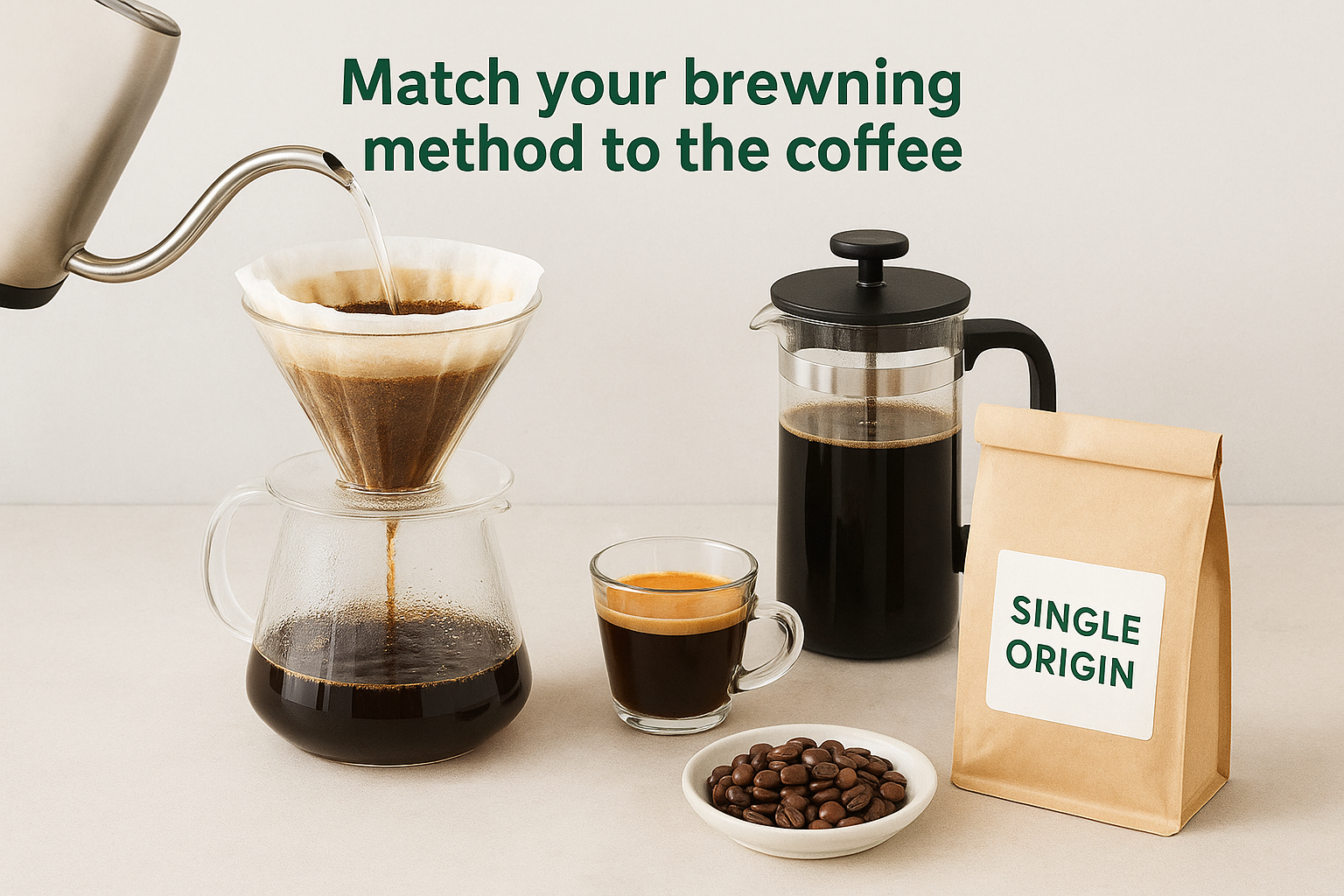
Single origin coffee rewards experimentation with different brewing methods to unlock its full potential.
Check freshness and roast date
Always buy single origin coffee with a roast date printed on the bag, not just an expiration date. Coffee peaks two to fourteen days after roasting, then gradually loses complexity. Purchase beans you’ll consume within three to four weeks of the roast date for optimal flavor. Store your beans in an airtight container away from light and heat to preserve freshness. Grind only what you need immediately before brewing, as ground coffee loses flavor within minutes of grinding. Understanding what is single origin coffee includes recognizing that freshness dramatically affects your tasting experience.
What single origin means for taste and terroir
Terroir refers to the environmental factors that influence coffee flavor, including soil composition, altitude, rainfall, and temperature. When you explore what is single origin coffee, you discover how these elements create distinct taste profiles that blends can’t replicate. Ethiopian coffee grown at high elevations tastes dramatically different from Colombian coffee grown in volcanic soil, even when both use identical processing methods. The location writes its signature into every bean you brew.
Regional flavor profiles you can taste
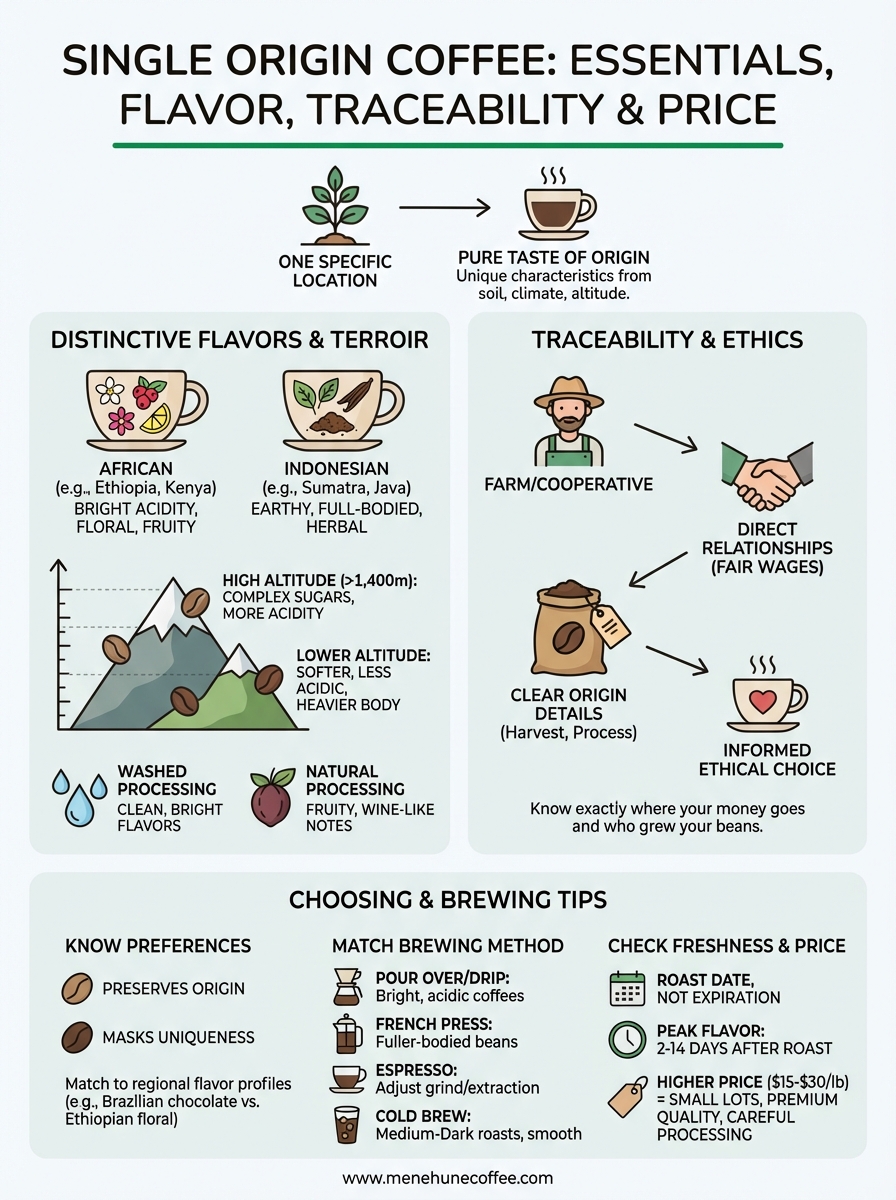
Different coffee regions produce recognizable flavor patterns you’ll notice across multiple farms in the same area. African coffees, particularly from Ethiopia and Kenya, deliver bright acidity with floral, berry, and citrus notes. Central and South American beans from Colombia, Guatemala, and Costa Rica offer balanced profiles with chocolate, caramel, and stone fruit flavors. Indonesian coffees from Sumatra and Java provide earthy, herbal characteristics with full body and low acidity. These regional signatures help you predict what you’ll taste before your first sip.
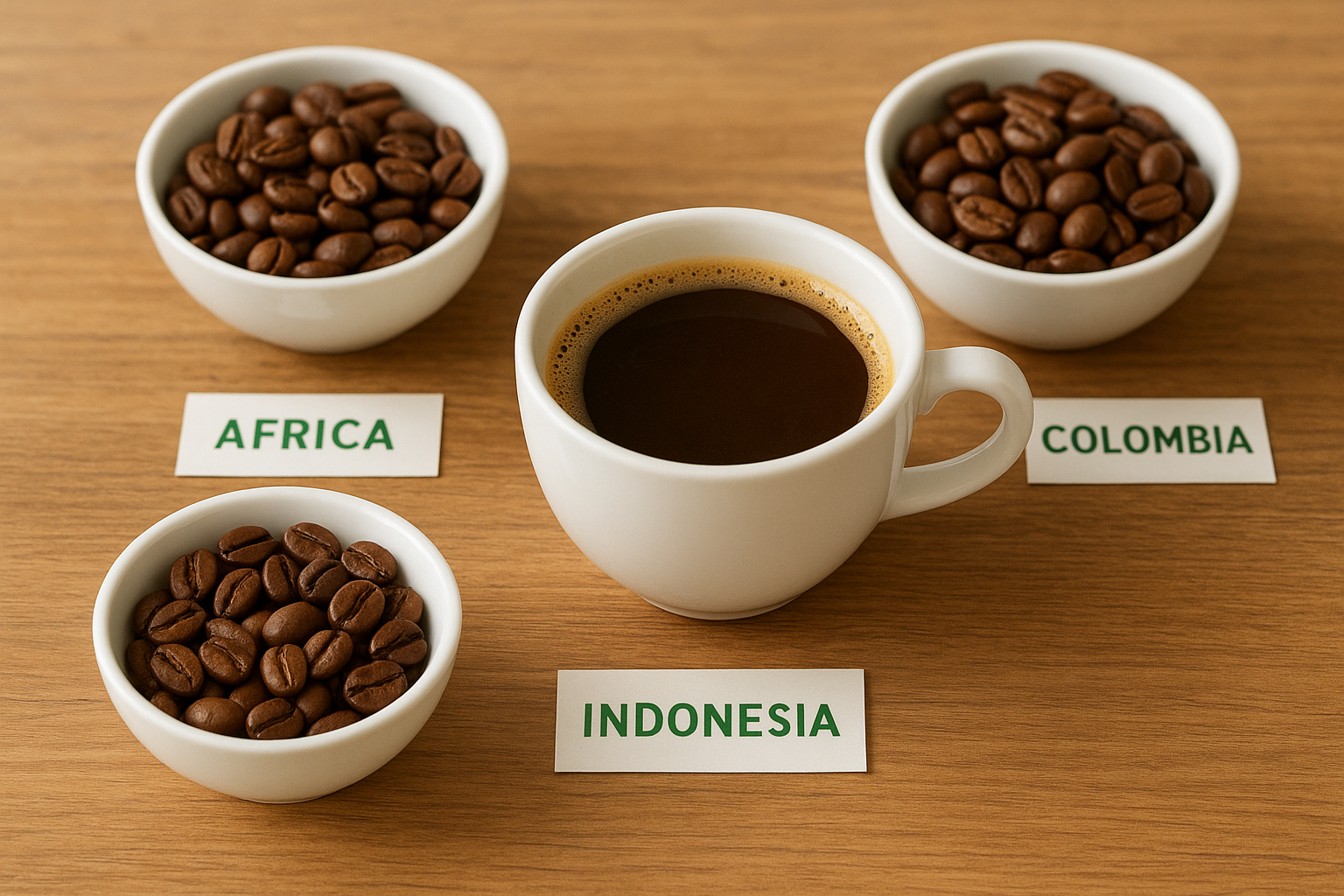
Terroir gives single origin coffee its fingerprint, making each region’s beans instantly recognizable to trained palates.
How altitude and processing affect flavor
Altitude directly impacts bean density and flavor complexity. Beans grown above 1,400 meters develop slower maturation, which creates more complex sugars and pronounced acidity. Lower altitude coffees produce softer, less acidic profiles with heavier body. Processing methods multiply these differences. Washed processing highlights clean, bright flavors and emphasizes origin characteristics. Natural processing adds fruity, wine-like notes that complement or sometimes overshadow terroir. Understanding these variables helps you select single origin coffees that match your taste preferences and brewing style.
Traceability, ethics, and price explained
Single origin coffee offers complete transparency from farm to cup, unlike blends where origin details get lost in mixing. You can trace your beans to specific cooperatives or farms, which creates accountability throughout the supply chain. This transparency matters because it connects your purchase directly to the farmers who grew your coffee. When you understand what is single origin coffee includes traceability, you make more informed decisions about the social and environmental impact of your daily cup.
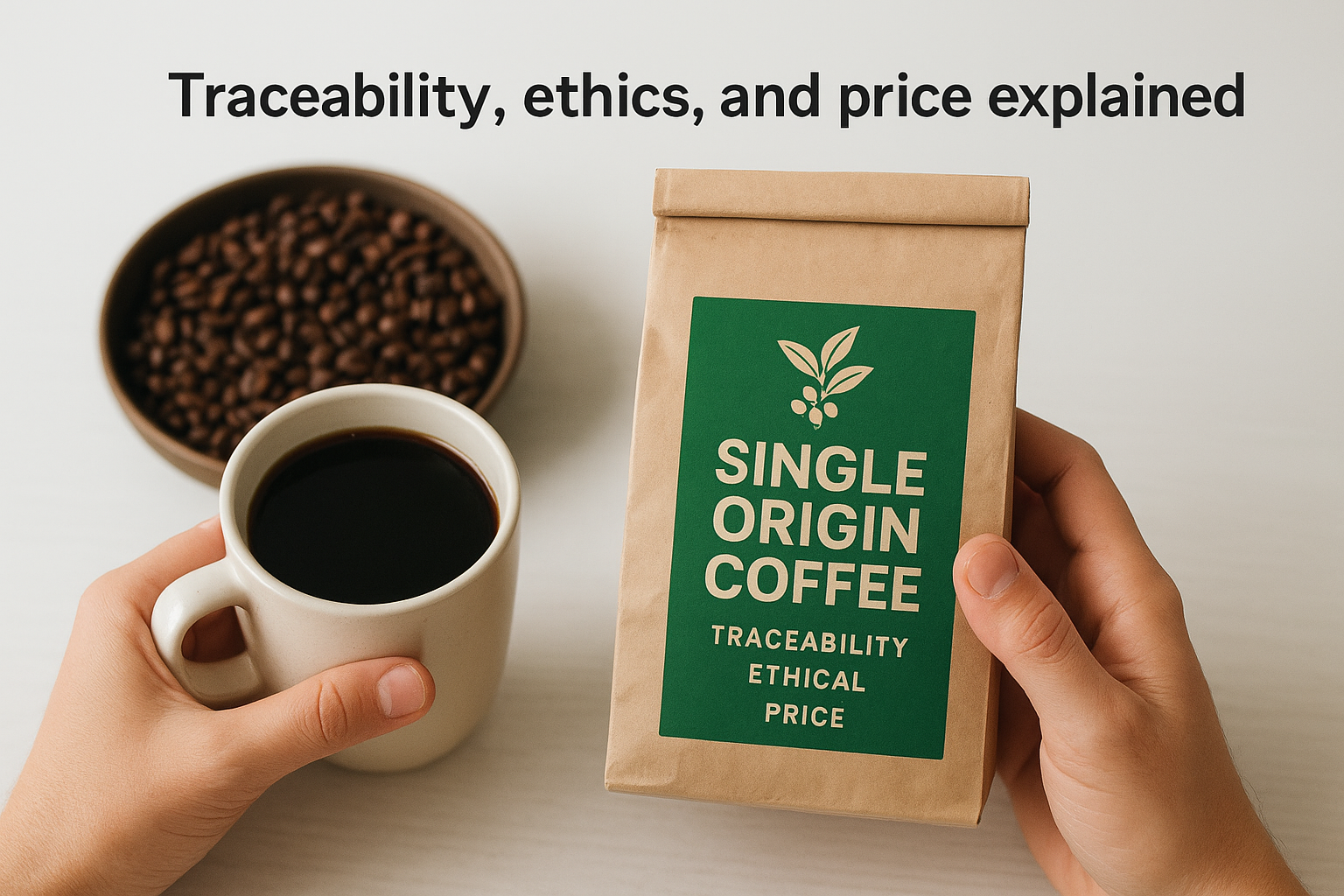
Traceability builds trust and quality
Roasters who source single origin coffee typically maintain direct relationships with farmers and cooperatives, which means better quality control and fair compensation. You can often find detailed information about processing methods, harvest dates, and farming practices on the bag or roaster’s website. This level of detail proves the roaster knows their supply chain and takes responsibility for quality. Traceability also helps you avoid beans from farms using exploitative labor practices or environmentally destructive methods. Your purchase supports specific communities rather than anonymous commodity markets.
Single origin traceability turns coffee buying into an ethical choice with measurable impact.
Why single origin costs more
Single origin coffee carries higher prices because small-lot production costs more than bulk commodity coffee. Roasters pay premium prices to farmers for exceptional quality and specific growing practices. Limited availability drives prices up further, as roasters can only purchase what individual farms produce each season. You also pay for the careful sorting and processing that maintains single origin integrity throughout production. Prices typically range from $15 to $30 per pound for quality single origin beans, compared to $8 to $12 for standard blends. The extra cost reflects real value in flavor, ethics, and farming sustainability.
Bring single origin into your daily ritual
Understanding what is single origin coffee transforms your morning routine from automatic to intentional. You choose beans that reflect specific origins and support transparent supply chains with every purchase. Start with one bag from a region that matches your flavor preferences, whether that’s bright African coffees or balanced Central American beans. Your palate develops over time, revealing subtle differences between farms, processing methods, and harvest seasons that you couldn’t detect when you started your single origin journey.
Quality single origin coffee delivers consistent satisfaction when you brew it fresh and store it properly. Explore authentic Hawaiian Kona coffee from Menehune Coffee Company to experience how volcanic soil and meticulous cultivation create distinctive island flavors you won’t find anywhere else. Your daily cup becomes more than caffeine delivery when you know exactly where your beans originated and who grew them.