10 Cold Brew Coffee Benefits for Health, Taste, and Energy
You’ve probably noticed cold brew everywhere. Coffee shops charge more for it. Friends swear by it. But what actually makes cold brew different from regular iced coffee, and are those benefits real or just hype?
This article breaks down 10 science backed benefits of cold brew coffee. You’ll learn how the brewing method creates a smoother, less acidic drink that’s easier on your stomach. We’ll cover what cold brew does for your energy, metabolism, and focus, plus how its antioxidant content may support heart and brain health. You’ll also get practical tips on brewing your own batches, choosing quality beans (including why Hawaiian Kona coffee makes exceptional cold brew), and fitting cold brew into your routine without overdoing caffeine. Whether you’re dealing with acid reflux from hot coffee, looking for sustained energy, or just want a better tasting cup, you’ll find clear answers here.
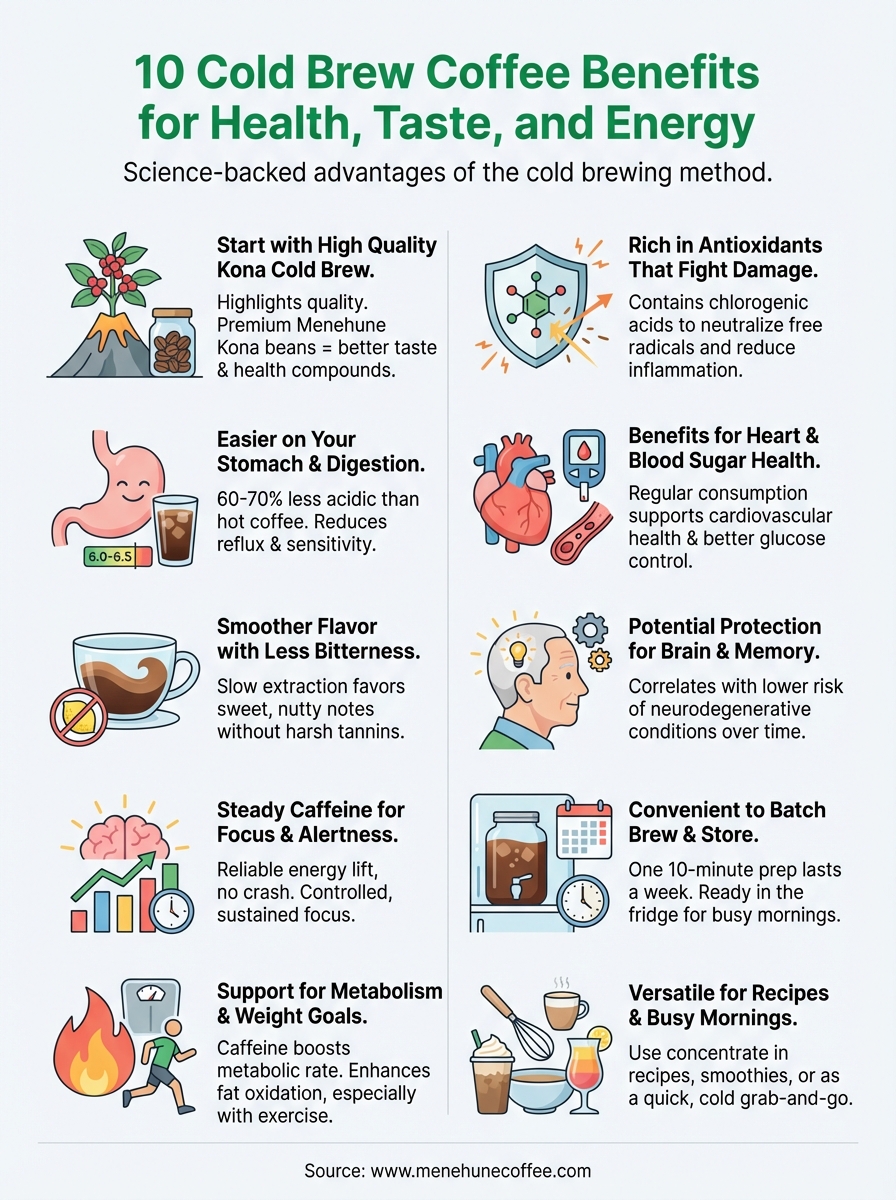
1. Start with high quality Kona cold brew
Your cold brew coffee benefits start with the beans you choose. The cold brewing process highlights every quality and flaw in your coffee, so starting with premium beans makes a measurable difference in taste and health compounds. Low quality or stale beans produce flat, bitter cold brew that wastes your time and money.
Why bean quality changes cold brew benefits
Cold brew extracts different compounds than hot water does. High quality beans contain more beneficial oils, antioxidants, and flavor molecules that survive the long steep intact. These compounds contribute to the smooth taste and health effects you’re looking for. Poor quality or old beans lose these compounds through oxidation, leaving you with a drink that tastes dull and delivers fewer antioxidants per cup.
What makes Kona coffee from Menehune different
Kona coffee grows on the volcanic slopes of Mauna Loa in Hawaii, where mineral rich soil and ideal climate create beans with naturally balanced acidity and sweetness. Menehune Coffee Company sources 100% Kona coffee directly from these farms, ensuring freshness and quality control that mass market blends can’t match. The result is cold brew with brighter fruit notes and smoother body.
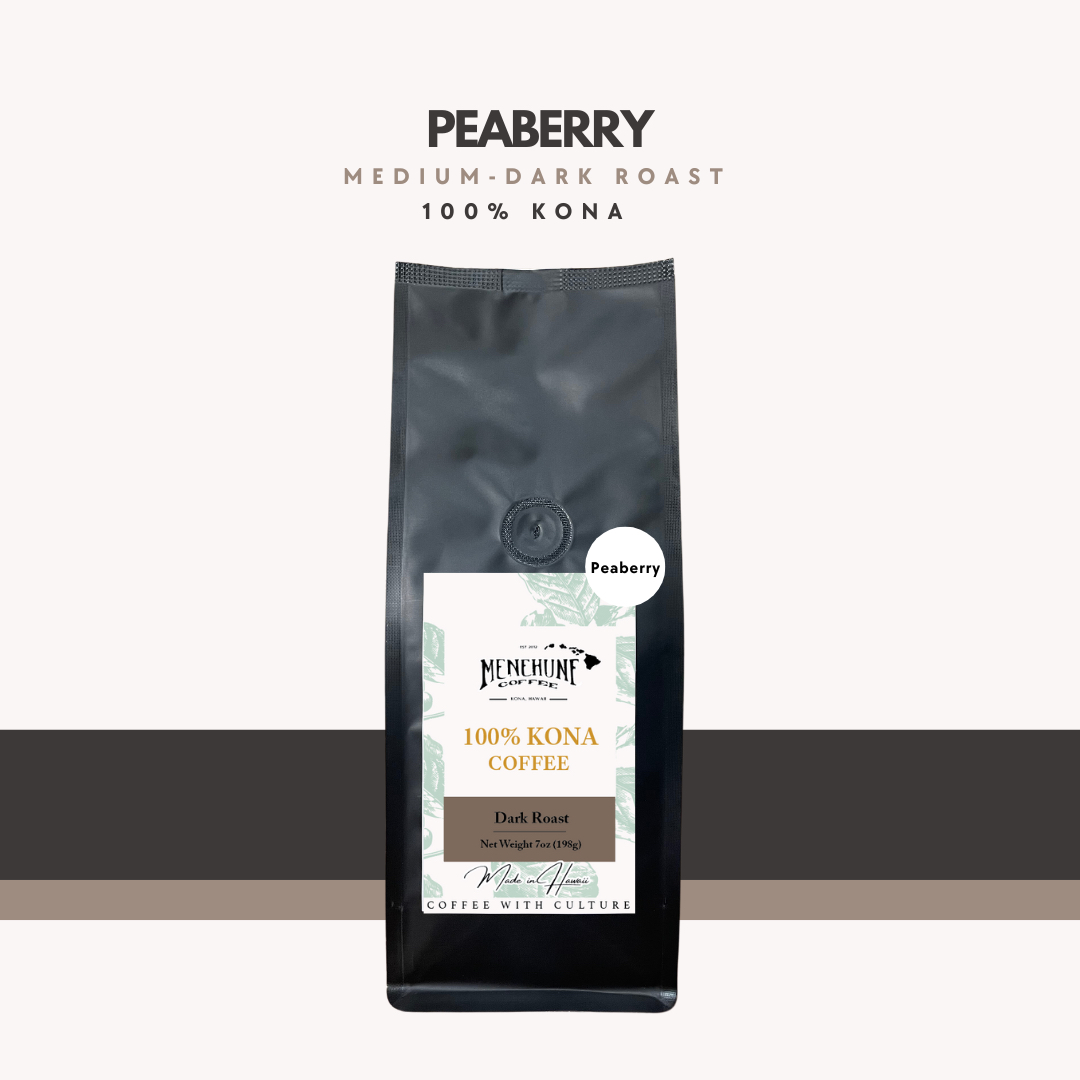
How to brew Menehune beans for optimal flavor and health
Use a 1:8 coffee to water ratio (1 cup coarsely ground beans to 8 cups cold filtered water) for concentrated cold brew. Steep for 12 to 18 hours in your refrigerator, then strain twice through a fine mesh filter or cheesecloth. Dilute the concentrate 1:1 with water or milk before drinking to avoid overwhelming bitterness and excessive caffeine.
Tips for choosing the best roast for cold brew
Medium roasts work best for cold brew because they balance acidity, sweetness, and body without the harsh char of dark roasts. Dark roasts can taste muddy or ashy when steeped for hours. Look for whole beans roasted within the past two weeks and grind them yourself right before brewing to maximize flavor and antioxidant content.
2. Easier on your stomach and digestion
You might love hot coffee’s flavor but hate how it upsets your stomach. Cold brew coffee benefits your digestive system by producing a drink that’s naturally 60 to 70% less acidic than traditional hot brewed coffee. This difference comes from the brewing method itself, not from adding anything to neutralize acids after the fact.
How cold brew affects acidity compared to hot coffee
Hot water extracts chlorogenic acids and other compounds from coffee beans that create a pH around 4.85 to 5.10 in your cup. Cold water extracts these same compounds much more slowly and selectively, resulting in a final brew with pH levels between 6.00 and 6.50. These numbers matter because the closer coffee gets to neutral pH (7.0), the less it irritates your stomach lining and triggers acid production.
Why lower acidity can help with reflux and sensitivity
Lower acid content reduces reflux symptoms for many people with gastroesophageal reflux disease (GERD) or sensitive stomachs. The acids in hot coffee relax your lower esophageal sphincter, allowing stomach acid to flow back into your esophagus. Cold brew’s gentler profile puts less stress on this valve. You may find you can drink cold brew in the morning without the burning sensation that hot coffee causes.
Cold brew’s lower acidity makes it the better choice if regular coffee leaves your stomach uncomfortable.
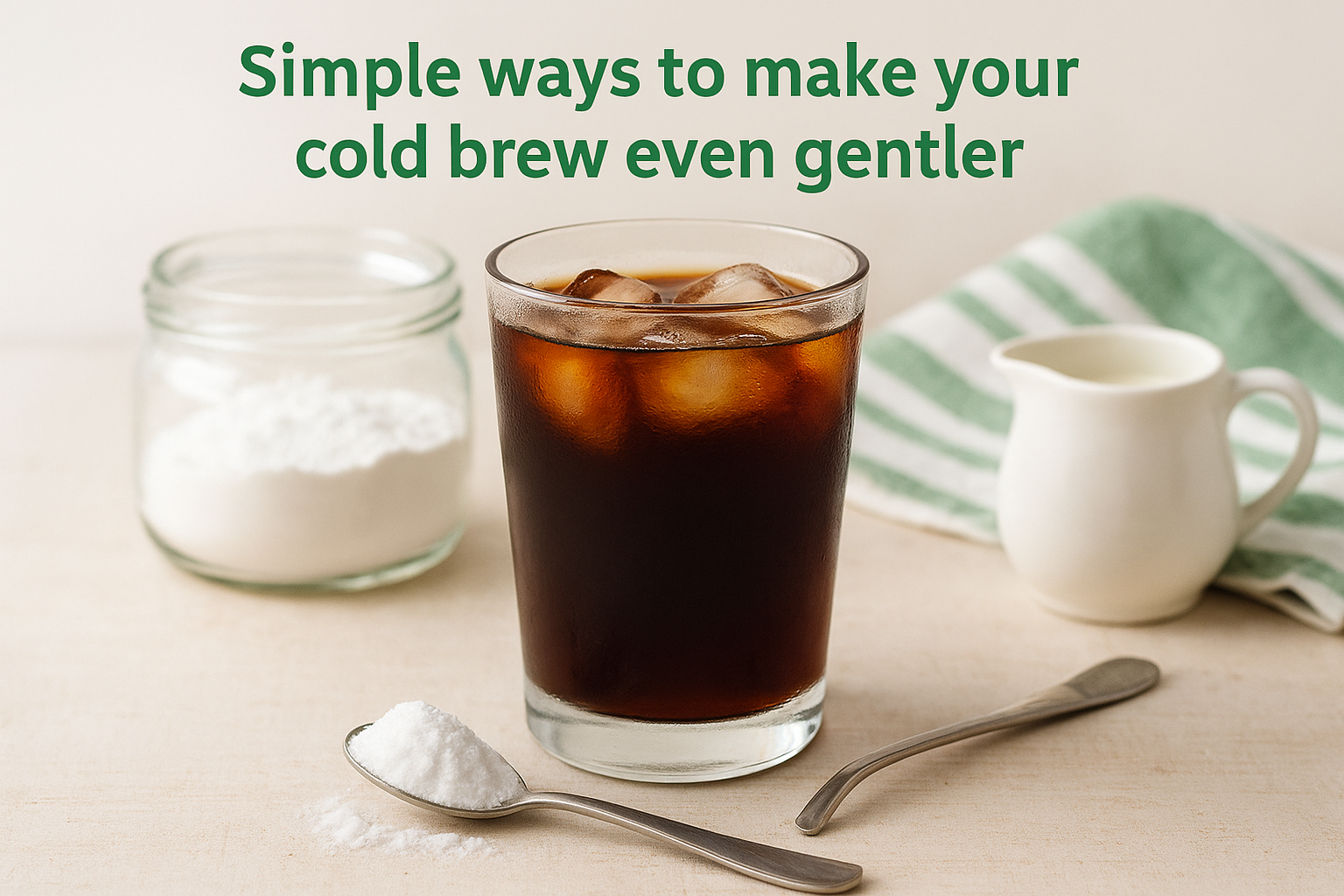
Simple ways to make your cold brew even gentler
Add a pinch of baking soda (sodium bicarbonate) to your grounds before steeping to further neutralize acids. Dilute your concentrate more than usual with water or milk to reduce overall acid exposure per serving. Avoid drinking cold brew on an empty stomach, and pair it with food containing protein or fat to buffer any remaining acidity.
When to talk to a doctor about coffee and gut issues
See your doctor if cold brew still causes pain, bloating, or reflux despite trying low acid options. You may have underlying conditions like ulcers or gastritis that require treatment beyond switching coffee types. Your doctor can also help determine if caffeine itself, rather than acidity, triggers your symptoms.
3. Smoother flavor with less bitterness
Cold brew’s smooth taste stands out as one of the most noticeable cold brew coffee benefits you’ll experience from your first sip. The extended steeping time in cold water extracts different compounds than hot brewing methods, creating a drink that tastes naturally sweet and balanced without harsh edges. You get clean coffee flavor without the burnt or sour notes that hot water pulls out of beans.
What the cold brew method does to flavor compounds
Cold water extracts fewer acidic oils and bitter tannins from coffee grounds during the 12 to 18 hour steep. Hot water pulls these compounds out within minutes, creating the sharp, astringent taste many people associate with coffee. Cold brew’s slower extraction favors sweet, chocolatey, and nutty notes while leaving behind the compounds that make your face pucker.
How brew time, grind size, and ratio shape taste
Steeping for less than 12 hours produces weak, tea-like cold brew that lacks body and depth. Going beyond 24 hours extracts too many tannins and creates muddy flavors. Coarse grinds work best because fine grinds over extract and turn bitter during long steeps. Use a 1:8 ratio for concentrate that you can dilute to taste.
Cold brew’s gentle extraction creates naturally smooth coffee without needing sugar or cream to mask bitterness.
Adjusting strength, dilution, and ice for your palate
Start by diluting your concentrate 1:1 with cold water or milk, then adjust based on your preferences. Add ice after diluting to avoid watering down the flavor too quickly. Stronger dilutions (more concentrate, less water) intensify both sweetness and any remaining bitterness, so find your balance.
Flavor add ins that keep your drink healthy
Cinnamon, vanilla extract, and cocoa powder add flavor without sugar or calories. A splash of unsweetened almond or oat milk provides creaminess with minimal impact. Avoid flavored syrups that add 20 to 30 grams of sugar per serving and cancel out cold brew’s natural health advantages.
4. Steady caffeine for focus and alertness
Cold brew delivers reliable energy without the jittery crash that some people experience from hot coffee. The higher caffeine concentration in cold brew concentrate gives you control over your dose, letting you dial in the exact amount of alertness you need for work, studying, or early morning starts. Understanding how cold brew’s caffeine works helps you maximize these cold brew coffee benefits for your daily routine.
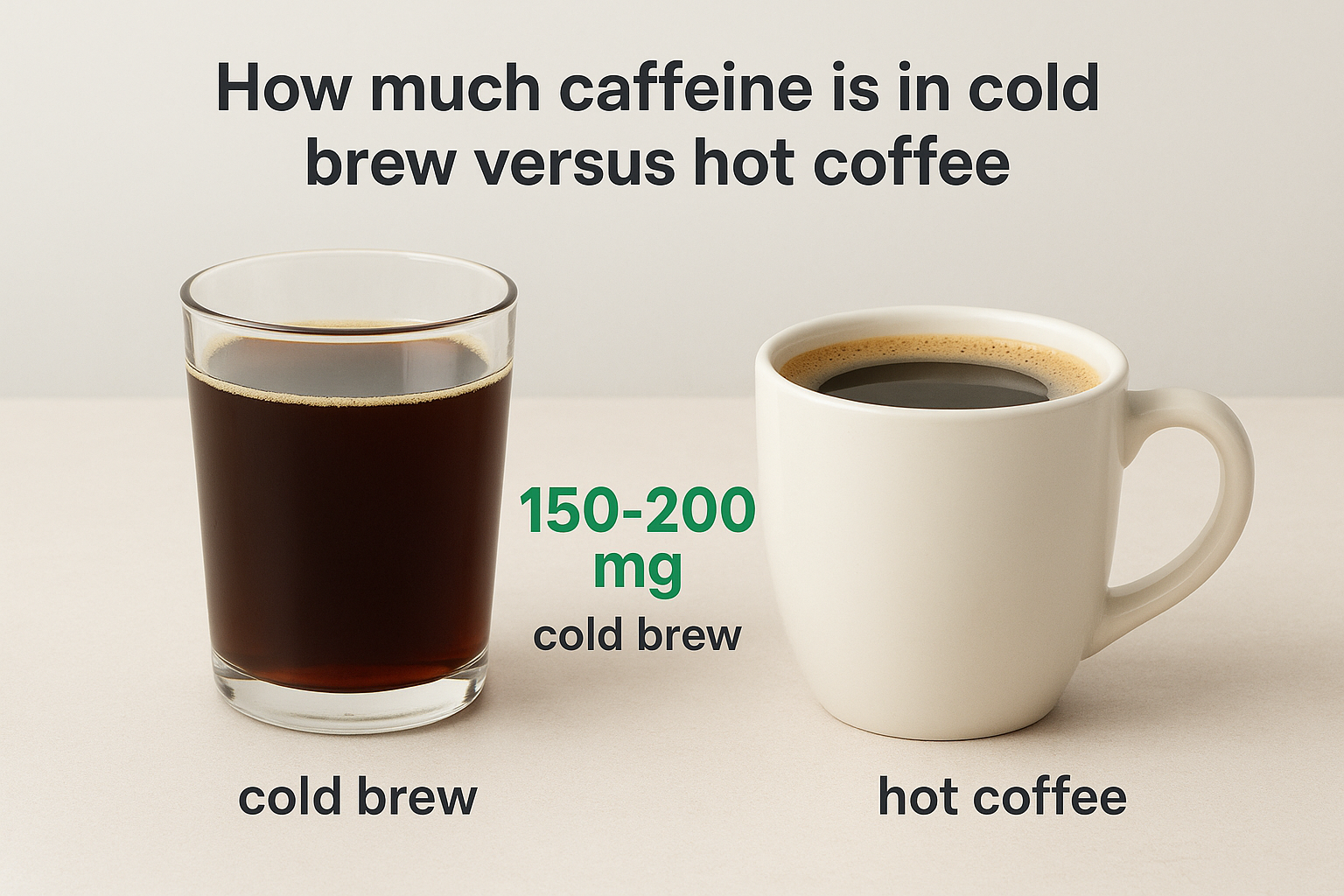
How much caffeine is in cold brew versus hot coffee
A typical 8 ounce serving of cold brew contains 150 to 200 mg of caffeine, compared to 95 mg in regular drip coffee. This difference comes from the higher coffee to water ratio used to make concentrate, not from the cold brewing method itself. When you dilute concentrate properly, cold brew and hot coffee end up with similar caffeine levels per cup.
Why cold brew can feel like a smoother energy lift
Cold brew’s slower absorption rate creates steadier energy than hot coffee’s quick spike. The absence of hot water extracted oils means fewer compounds that can cause stomach upset and the shaky feeling some people get from coffee. You experience sustained focus without sudden drops in energy.
Cold brew’s steady caffeine release helps you stay alert longer without the crash that follows highly concentrated hot espresso drinks.
Best times of day to drink cold brew for focus
Drink cold brew between 9:30 AM and 11:30 AM when your natural cortisol dips and you need an energy boost. Avoid drinking it after 2 PM if you’re sensitive to caffeine, as it can interfere with sleep quality even 6 to 8 hours later.
Caffeine safety, limits, and who should be cautious
The FDA recommends limiting caffeine to 400 mg daily for most adults, equal to about two 8 ounce servings of cold brew. Pregnant women should stay under 200 mg, and people with anxiety disorders or heart conditions should consult their doctor before consuming caffeinated cold brew regularly.
5. Support for metabolism and weight goals
Cold brew’s caffeine content plays a measurable role in supporting weight management efforts when combined with healthy eating and regular activity. The metabolic boost from caffeine helps your body burn more calories at rest, making cold brew a practical addition to your wellness routine. These cold brew coffee benefits work best when you avoid loading your cup with sugar and cream that add hundreds of empty calories.
How caffeine influences metabolism and fat burning
Caffeine increases your metabolic rate by 3 to 11%, with the highest effects seen in younger, leaner individuals. Your body burns extra calories for several hours after drinking caffeinated cold brew, particularly from stored fat. Research shows caffeine enhances fat oxidation during exercise by making fatty acids more available for energy.
Ways cold brew can fit into a weight conscious routine
Replace high calorie breakfast drinks like sugary lattes or juice with plain cold brew to cut 200 to 400 calories daily. Use cold brew as a pre meal appetite suppressant 30 minutes before eating to help control portion sizes. Track your total daily calories, because cold brew itself doesn’t create weight loss without an overall calorie deficit.
Smart swaps to keep your cold brew low in sugar
Skip flavored syrups and use cinnamon, vanilla extract, or unsweetened cocoa powder instead for zero calorie flavor. Choose unsweetened almond milk or oat milk over sweetened creamers that pack 5 to 10 grams of sugar per tablespoon. Dilute concentrate with ice and water rather than milk to keep calories minimal while maintaining caffeine levels.
Cold brew supports weight goals when you skip the sugar and treat it as a tool, not a magic solution.
Timing cold brew around workouts and activity
Drink cold brew 30 to 60 minutes before exercise to maximize fat burning and endurance during your workout. Avoid drinking it within 6 hours of bedtime, as poor sleep disrupts metabolism and increases hunger hormones the next day.
6. Rich in antioxidants that fight damage
Cold brew contains powerful antioxidant compounds that protect your cells from oxidative stress and inflammation. These molecules work throughout your body to neutralize free radicals that damage DNA, proteins, and cell membranes over time. The antioxidants in cold brew represent one of the most valuable cold brew coffee benefits beyond taste and caffeine, contributing to the protective effects researchers observe in regular coffee drinkers.
Key antioxidants found in coffee and cold brew
Your cup of cold brew delivers chlorogenic acids, melanoidins, and caffeoylquinic acids as its primary antioxidants. Chlorogenic acids make up the largest portion and show strong anti inflammatory activity in research studies. Cold brew also contains polyphenols and cafestol, though in different concentrations than hot coffee due to the brewing temperature and extraction time.
What antioxidants actually do in your body
Antioxidants intercept reactive oxygen species before they damage healthy cells and contribute to chronic diseases. They help reduce inflammation markers in your blood, support immune function, and protect blood vessel linings from oxidative stress. Regular antioxidant intake from foods and beverages like cold brew slows cellular aging and supports your body’s natural defense systems.
Cold brew’s antioxidants work behind the scenes to protect your cells from daily damage.
Hot brew versus cold brew for antioxidant content
Hot coffee typically contains higher total antioxidant levels because heat extracts more compounds from beans. Cold brew compensates with specific antioxidants like caffeoylquinic acid that remain more stable during cold extraction. Both methods provide beneficial antioxidants, with the difference being less important than drinking coffee regularly.
How to combine cold brew with an antioxidant rich diet
Pair your cold brew with berries, dark leafy greens, and nuts to multiply antioxidant benefits throughout the day. Drink cold brew alongside meals containing colorful vegetables for synergistic effects. Avoid adding sugar, which creates oxidative stress that cancels out the protective compounds you’re trying to consume.
7. Benefits for heart and blood sugar health
Regular cold brew consumption aligns with research showing coffee drinkers have lower rates of cardiovascular disease and better blood sugar control than non-drinkers. The combination of caffeine, chlorogenic acids, and other plant compounds in cold brew supports multiple pathways that protect your heart and metabolic health. These protective effects add up over time, making cold brew part of a daily routine that reduces your long term disease risk.
What research says about coffee and heart health
Large population studies consistently show that drinking 3 to 5 cups of coffee daily reduces heart disease risk by 15 to 20% compared to drinking no coffee. The antioxidants in cold brew help prevent oxidation of LDL cholesterol, which protects artery walls from plaque buildup. Coffee also improves endothelial function, the ability of blood vessels to expand and contract properly for healthy circulation.
How cold brew may support healthy blood sugar
Cold brew’s chlorogenic acids slow glucose absorption in your intestines and improve insulin sensitivity in your cells. Regular coffee drinkers show up to 30% lower risk of developing type 2 diabetes in research tracking thousands of people over decades. The effect works best when you drink cold brew without added sugar that would spike your blood glucose.
Cold brew’s natural compounds support heart and metabolic health when you make it a consistent habit without loading it with sugar.
Ideal serving sizes and frequency for heart benefits
Aim for 2 to 4 eight ounce servings daily to match the intake levels associated with reduced disease risk in studies. Spread your servings throughout the morning and early afternoon rather than drinking them all at once.
Who should limit or avoid caffeinated cold brew
People with uncontrolled high blood pressure or irregular heartbeat should consult their doctor before drinking caffeinated cold brew regularly. Pregnant women need to stay under 200 mg caffeine daily, equal to about one serving of cold brew.
8. Potential protection for brain and memory
Your brain benefits from cold brew in ways that extend beyond short term alertness and focus. Research shows that regular coffee consumption correlates with lower rates of neurodegenerative diseases like Alzheimer’s and Parkinson’s over decades of observation. The caffeine and antioxidant compounds in cold brew work together to protect brain cells from damage and support healthy cognitive function as you age. These long term protective effects rank among the most compelling cold brew coffee benefits that emerge from consistent daily habits.
Links between coffee and reduced brain disease risk
Studies tracking thousands of people over 20 to 30 years show that drinking 3 to 5 cups of coffee daily reduces Alzheimer’s risk by up to 65% compared to drinking little or no coffee. Regular coffee drinkers also show significantly lower rates of Parkinson’s disease, with men who drink four or more cups daily showing five times less risk in some research. The protection comes from both caffeine and non-caffeine compounds working together to defend brain tissue.
How caffeine and plant compounds support the brain
Caffeine blocks adenosine receptors in your brain, which keeps you alert and improves memory formation during the hours after drinking cold brew. The polyphenols and chlorogenic acids in coffee reduce inflammation and oxidative stress that contribute to brain cell death. These compounds help maintain healthy blood flow to your brain and protect the blood-brain barrier from damage.
Cold brew’s combination of caffeine and antioxidants protects your brain both immediately and over the long term.
Using cold brew to boost focus without overdoing it
Stick to 2 to 3 servings spread throughout your morning and early afternoon to maximize cognitive benefits without interfering with sleep. Drinking too much caffeine creates anxiety and restlessness that hurt rather than help your focus.
Lifestyle habits that work with cold brew for brain health
Combine your cold brew routine with regular exercise, quality sleep, and a diet rich in omega-3 fatty acids for maximum brain protection. Cold brew enhances but doesn’t replace these fundamental habits that support cognitive health.
9. Convenient to batch brew and store
Making cold brew once and drinking it all week represents one of the most practical cold brew coffee benefits for people with busy schedules. You spend 10 minutes of hands-off prep time to create enough concentrate for 5 to 7 days of coffee, eliminating the daily routine of grinding beans and brewing individual cups. This convenience factor turns cold brew into a reliable morning staple that saves you time and money compared to buying coffee daily.
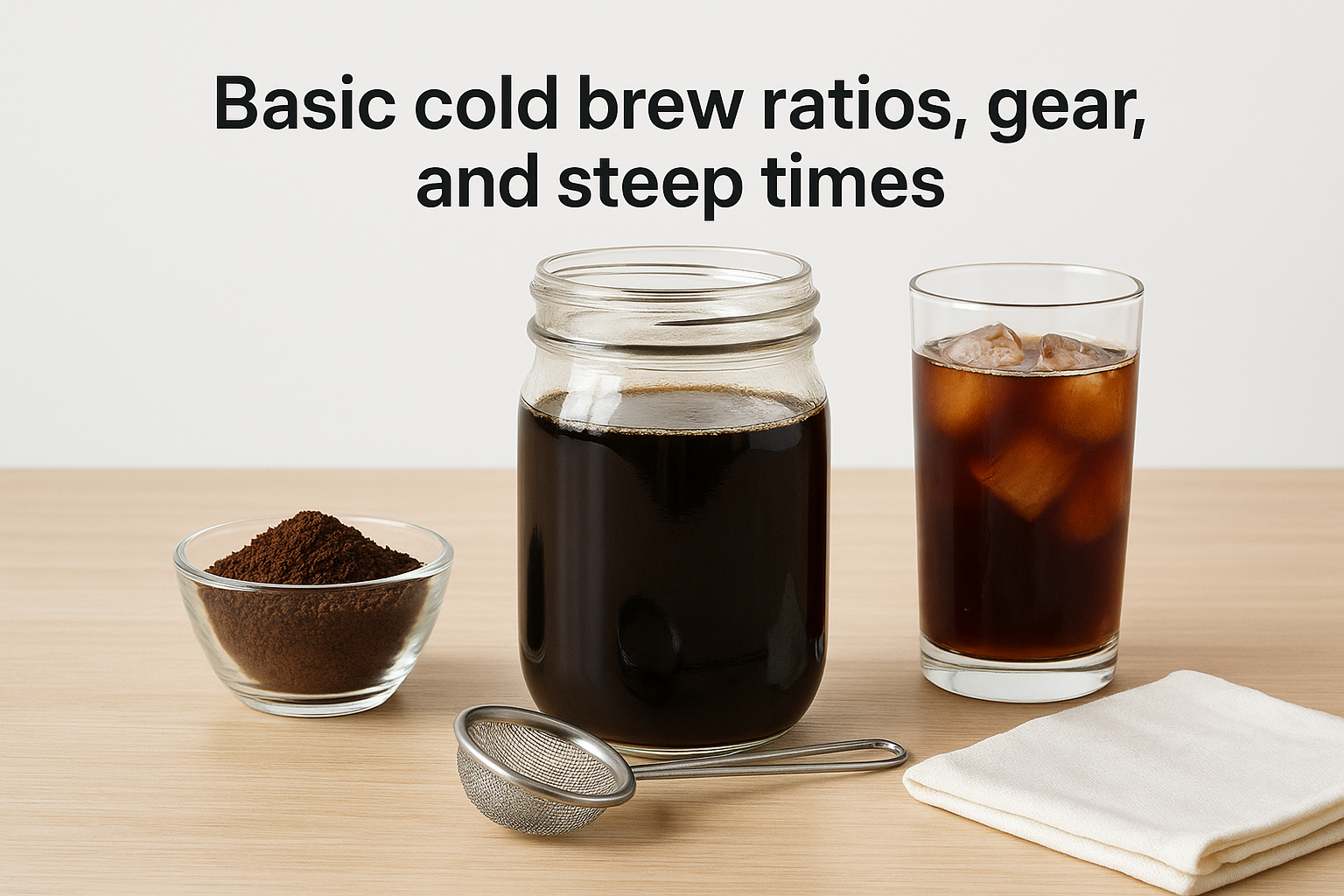
Basic cold brew ratios, gear, and steep times
Use a 1:8 ratio of coarsely ground coffee to cold filtered water (1 cup grounds to 8 cups water) to make concentrate that you’ll dilute before drinking. You need only a large jar or pitcher, a fine mesh strainer, and cheesecloth or coffee filters for straining. Steep for 12 to 18 hours in your refrigerator, then strain twice to remove all grounds and sediment.
How to store cold brew safely and how long it lasts
Store strained concentrate in an airtight container in your refrigerator for up to 10 days without significant flavor loss. Glass jars or bottles work best because they don’t absorb odors. Dilute individual servings as needed rather than diluting the entire batch, which shortens shelf life.
Batch brewing cold brew once weekly gives you consistent coffee without daily preparation.
Make ahead cold brew routines for busy weeks
Start a new batch every Sunday evening to have fresh concentrate ready Monday morning. Keep two jars rotating so one batch steeps while you drink from the previous week’s concentrate.
Troubleshooting weak, sour, or muddy cold brew
Weak cold brew means you used too little coffee or steeped for under 12 hours. Sour flavors come from under-extraction or stale beans. Muddy, gritty texture indicates you need to strain more thoroughly or use a coarser grind.
10. Versatile for recipes and busy mornings
Cold brew works as an ingredient in countless recipes beyond your morning cup, expanding the cold brew coffee benefits into meal prep and creative drinks. The concentrate form makes it easy to add coffee flavor to foods and beverages without diluting them with extra liquid. You save time on rushed mornings by grabbing pre-made cold brew from your fridge instead of waiting for hot coffee to brew and cool.
Simple cold brew drinks for different seasons
Mix cold brew with sparkling water and a splash of lemon for a refreshing summer drink that cuts calories while keeping caffeine. During colder months, heat diluted cold brew on the stove with cinnamon sticks and a dash of nutmeg for a warming beverage without the bitterness hot brewing creates. Add a scoop of vanilla protein powder to cold brew over ice for a post-workout recovery drink that tastes like dessert.
Healthier cold brew lattes, frappes, and treats
Blend cold brew with frozen banana, unsweetened cocoa powder, and ice to create a frappe with natural sweetness and no added sugar. Pour concentrate over ice with unsweetened oat milk and vanilla extract for a latte that contains under 50 calories. These homemade versions cost less and contain fewer additives than coffee shop alternatives.
Using cold brew in baking, desserts, and marinades
Substitute cold brew for water in chocolate cake and brownie recipes to deepen flavor without adding coffee taste. Use it as a marinade base for steak or pork, where the acidity tenderizes meat while adding complexity. Mix cold brew into ice cream bases or popsicle molds for adult-friendly frozen treats.
Travel and on the go tips using bottled or canned cold brew
Keep shelf-stable canned cold brew in your car, office desk, or gym bag for reliable caffeine anywhere. Choose unsweetened versions to avoid the 15 to 25 grams of sugar found in pre-sweetened products.
Cold brew’s versatility transforms it from a simple drink into a practical ingredient for meals, snacks, and on the go energy.
Final thoughts
The cold brew coffee benefits you gain depend heavily on the beans you start with and how you prepare them. You get the smoothest flavor, lowest acidity, and highest antioxidant content when you use fresh, high quality coffee and follow proper brewing ratios and steep times. The convenience of batch brewing, combined with cold brew’s gentler effects on your stomach and steady energy delivery, makes it a practical choice for daily coffee drinking.
Start your cold brew journey with beans that deserve the 12 to 18 hour brewing process. Menehune Coffee Company offers 100% Kona coffee grown on Hawaiian volcanic soil, giving you the premium quality that transforms cold brew from a simple drink into an experience worth your time and effort.