Why Is Kona Coffee Expensive? 7 Factors Behind The Price
If you’ve ever browsed specialty coffee shops or searched online for Hawaiian beans, you’ve probably noticed that Kona coffee commands a significantly higher price than most other options. A single pound can run $30 to $60 or more, and that’s not marketing hype or arbitrary pricing.
As a Kona coffee producer farming on the slopes of Mauna Loa, we at Menehune Coffee Company see firsthand what goes into every harvest. The price tag reflects real production costs and a level of scarcity that genuinely sets this coffee apart from anything else grown in the United States.
So why is Kona coffee expensive? The answer comes down to geography, labor laws, climate, and a hand-picking process that hasn’t changed much in over a century. Below, we’ll walk through the seven key factors that drive Kona coffee prices, and help you understand exactly what you’re paying for when you choose authentic Hawaiian beans.
What makes Kona coffee different from other origins
Kona coffee grows in a very specific strip of land on the Big Island’s western coast, and that location creates flavor profiles you won’t find anywhere else. The volcanic soil from Mauna Loa provides a mineral-rich foundation, while afternoon cloud cover protects the cherries from harsh midday sun. This combination of factors produces beans with a smooth body, low acidity, and subtle notes that range from nutty to chocolatey depending on the roast.
The volcanic soil and microclimate advantage
You can’t replicate Kona’s growing conditions in a greenhouse or another region. The lava rock soil drains exceptionally well while retaining just enough moisture, and the natural minerals from centuries of volcanic activity feed the coffee trees without heavy fertilizer inputs. Morning sun followed by cloudy afternoons creates a temperature cycle that slows cherry ripening, allowing more complex sugars to develop inside each bean.
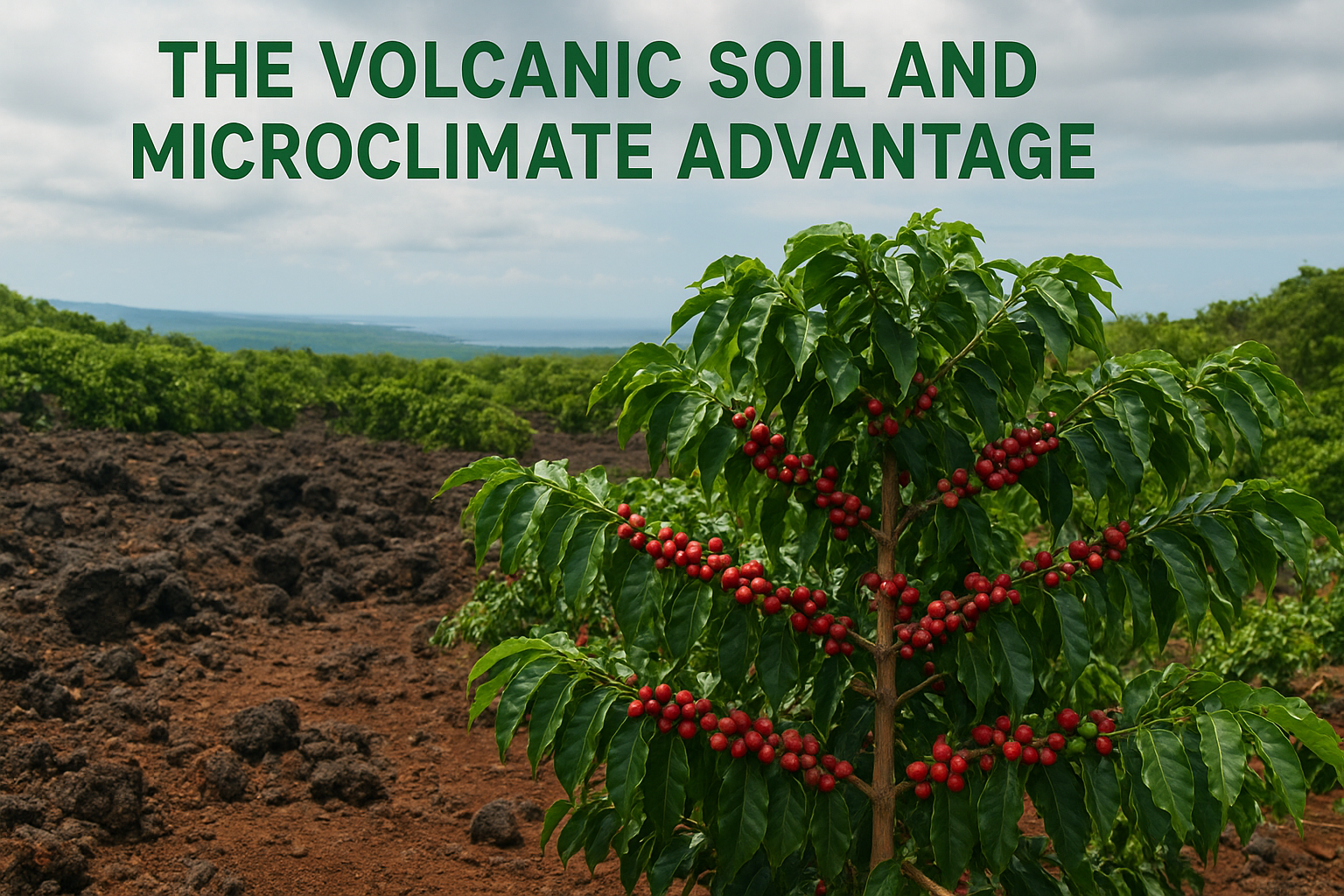
The slower the cherry ripens, the more nuanced flavors you’ll taste in the final cup.
This microclimate sits at elevations between 500 and 3,000 feet, where temperatures stay mild year-round and rainfall patterns support consistent growth cycles. Unlike coffee grown in flat tropical lowlands, Kona’s sloped terrain forces water to move through the soil naturally, preventing root rot and disease. The Hawaiian climate delivers what most coffee-growing regions need to engineer artificially, and that natural advantage translates directly into cup quality.
The only coffee grown on US soil
Kona is one of the few coffee-producing regions in the entire United States, which adds another layer to understanding why is kona coffee expensive. While other states have attempted coffee cultivation, Hawaii’s latitude and volcanic terrain create conditions that actually support commercial production. You’re not just buying coffee grown in America, you’re buying coffee that meets USDA standards and labor regulations that don’t apply to beans imported from other countries. That distinction carries real weight in both quality assurance and pricing structure.
Limited growing area and naturally small supply
When people ask why is kona coffee expensive, the answer starts with simple mathematics. The entire Kona Coffee Belt spans only 30 miles long and about 2 miles wide, making it one of the smallest coffee-producing regions in the world. You can’t expand into neighboring areas because the specific combination of elevation, soil composition, and climate doesn’t exist anywhere else, even on other parts of the Big Island.
The narrow geographic boundaries
The Kona Coffee Belt sits on western-facing slopes between the towns of Holualoa in the north and Honaunau in the south. Coffee farms outside this designated zone cannot legally label their product as Kona coffee, and the Hawaii Department of Agriculture enforces strict origin standards. This geographic limitation means production capacity will never scale the way it does in countries like Brazil or Colombia, where millions of acres support coffee cultivation.
When your entire growing region fits into a corridor smaller than most suburban counties, scarcity becomes built into every harvest.
Annual production versus global demand
Kona produces roughly 2 to 3 million pounds of coffee annually, while global coffee consumption exceeds 20 billion pounds each year. That tiny fraction of supply meets demand from consumers worldwide who specifically seek authentic Hawaiian beans, creating pricing pressure that favors sellers in a market where demand consistently outpaces availability.
US wages and the reality of hand-picking
Labor costs represent the single largest expense in Kona coffee production, and that’s where geography creates unavoidable pricing pressure. Unlike coffee grown in countries where minimum wage sits at $2 to $5 per day, Kona farmers pay Hawaii’s state minimum wage of $14 per hour as of 2026, with many experienced pickers earning $20 or more. This wage gap explains a significant portion of why is kona coffee expensive compared to imports from Latin America or Africa.
Federal and state labor standards
Your bag of Kona coffee reflects compliance with US labor laws that guarantee workers fair wages, benefits, and safe working conditions. Hawaiian farms follow OSHA regulations, provide worker’s compensation insurance, and often offer health benefits that coffee farms in developing nations aren’t required to provide. These protections add substantial overhead to every pound produced, but they ensure ethical treatment of the people who make your morning cup possible.
When you buy Kona coffee, you’re supporting American wages and labor standards that most imported coffee doesn’t meet.
Why machines can’t replace pickers
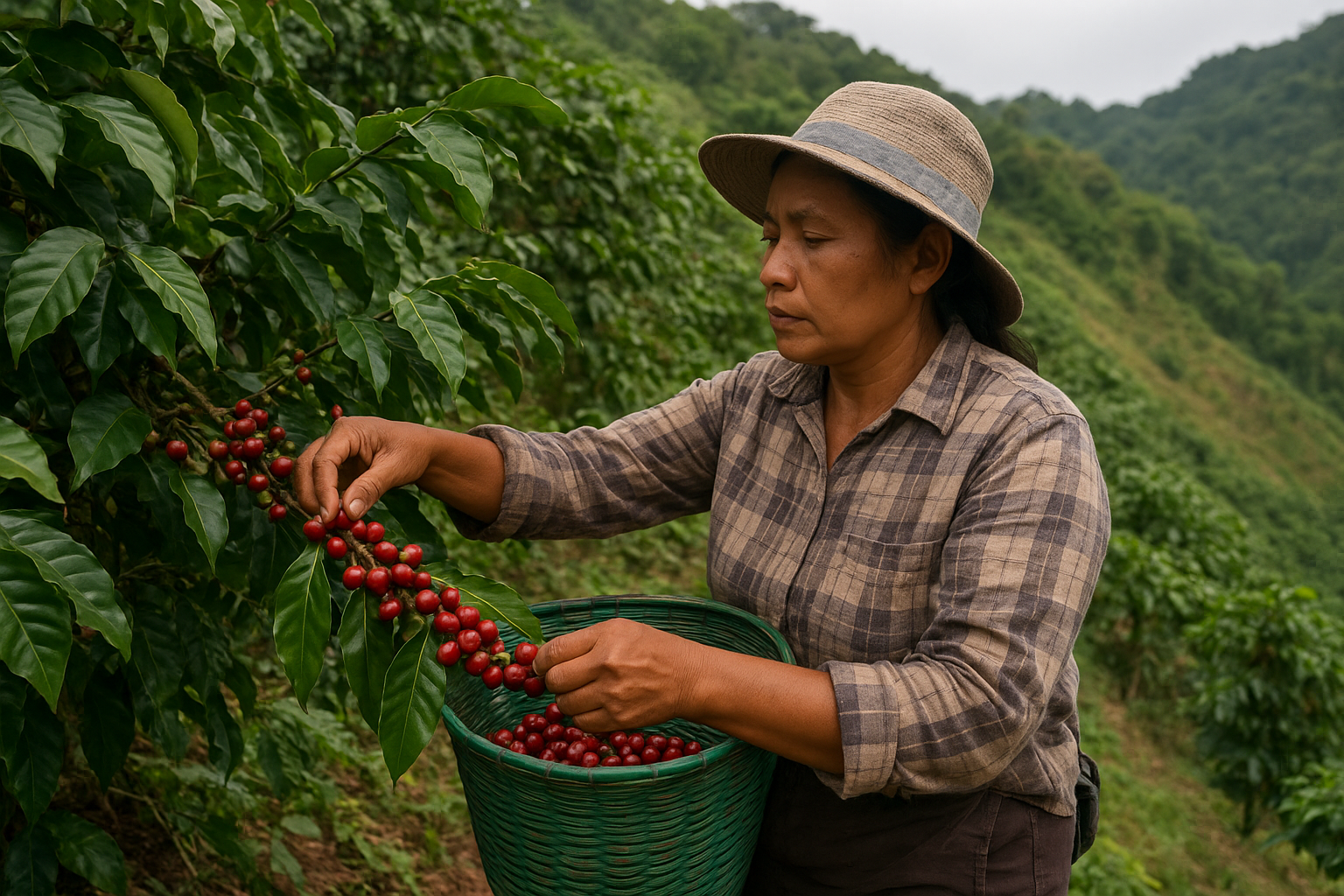
The steep volcanic slopes where Kona coffee grows make mechanical harvesting impossible, leaving hand-picking as the only viable option. Experienced workers must visit each tree multiple times per season because cherries ripen at different rates, selecting only the red, ripe fruit while leaving green cherries to mature. This selective picking requires trained judgment and physical stamina that no machine can replicate on Kona’s terrain.
Processing, grading, and quality control costs
After pickers deliver their harvest, the real work of transforming coffee cherries into premium beans begins. Kona coffee undergoes wet processing (also called washed processing), which requires more labor and infrastructure than the dry methods used for lower-grade coffees. Farms must depulp each cherry within hours of picking, ferment the beans to remove mucilage, and then wash them multiple times before drying. This process demands consistent water supplies, specialized equipment, and trained workers who monitor each stage to prevent defects.
The wet milling and drying process
Your Kona coffee spends days on drying beds or patios where workers rake and turn the beans by hand to ensure even moisture removal. Any shortcuts in this stage lead to mold, uneven roasting, or off flavors that destroy the cup quality Kona is known for. Farms invest in covered drying facilities to protect beans from sudden rain showers, adding another layer of infrastructure cost that factors into why is kona coffee expensive.
USDA inspection and Hawaii grade standards
Hawaii enforces stricter grading standards than most coffee-producing countries, with USDA inspectors certifying each lot before it can carry the official Kona label. The state recognizes five grades (Extra Fancy, Fancy, Number 1, Select, and Prime) based on bean size, moisture content, and defect counts. This mandatory inspection system ensures quality but adds testing fees and potential rejection costs when beans don’t meet specifications.
Every bag labeled as Kona coffee must pass government inspection, giving you quality assurance that most imported beans don’t receive.
Hawaii overhead, regulations, and shipping logistics
Operating a coffee farm in Hawaii means dealing with the highest cost of living in the United States, and those expenses flow directly into your coffee’s price. Property taxes, utilities, insurance, and basic supplies all cost substantially more on an island than they would in mainland coffee-producing regions. Farmers pay 2 to 3 times more for equipment, fuel, and repair services simply because everything must be shipped to Hawaii first.
Operating costs and state regulations
Hawaii enforces environmental regulations that protect the island’s ecosystem but add compliance costs to farming operations. Water usage permits, waste disposal standards, and pesticide restrictions require documentation and monitoring that smaller operations in other countries don’t face. Equipment maintenance becomes particularly expensive when specialized parts need air freight from the mainland, and finding qualified mechanics for coffee processing machinery often means paying premium rates to attract talent to the islands. Insurance premiums run higher in Hawaii due to volcanic activity risks and the remote location.
Shipping challenges and final mile costs
Your Kona coffee travels over 2,400 miles by ocean freight before it reaches the US mainland, adding transportation expenses that Central American or South American coffees don’t incur. Insurance, handling fees, and temperature-controlled shipping to preserve bean quality all contribute to understanding why is kona coffee expensive. Port delays and limited shipping schedules from Hawaiian harbors create additional bottlenecks that farms must account for in their pricing.
Every bag of Kona coffee crosses an ocean before reaching roasters or customers, building logistics costs into the final price.
Quick recap and how to buy with confidence
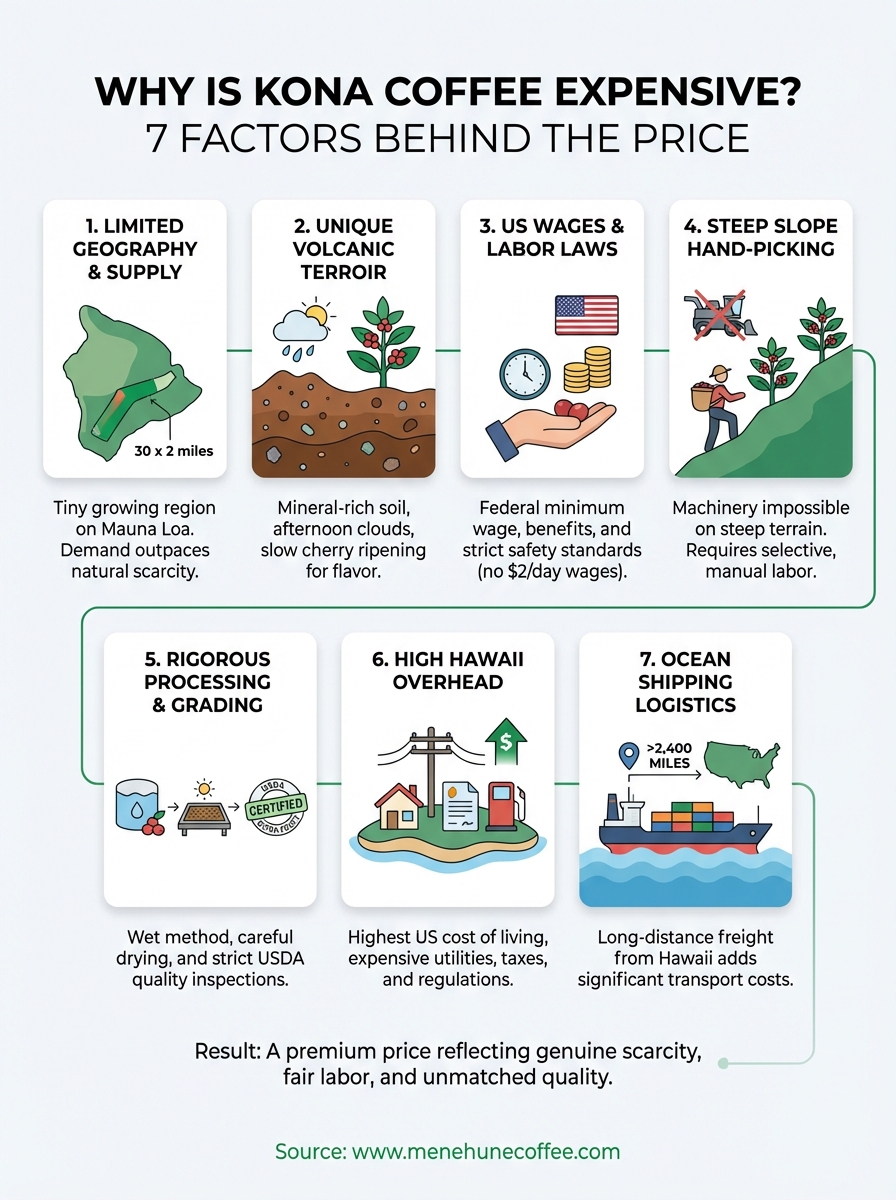
Understanding why is kona coffee expensive comes down to seven interconnected factors that no producer can avoid. The narrow geographic belt limits supply, volcanic soil creates unique flavors, US labor laws require fair wages, hand-picking on steep slopes prevents mechanization, wet processing demands skilled oversight, Hawaii’s high operating costs affect every farm, and ocean shipping adds final expenses before your coffee reaches you.
When you purchase authentic Kona coffee, verify the seller provides origin certification and clear grading information. Reputable farms display their USDA inspection results and explain exactly where their beans come from within the Kona Coffee Belt. You should see transparency about harvest dates, processing methods, and whether you’re buying 100% Kona or a blend. At Menehune Coffee Company, we farm our own beans on Mauna Loa’s slopes and handle every production stage ourselves. Browse our selection of 100% Kona coffee to experience what makes this origin worth the investment.